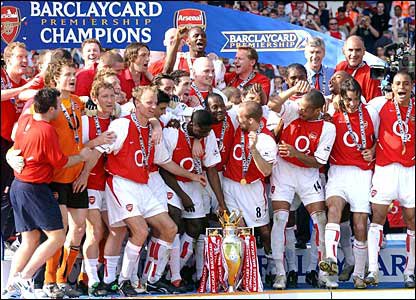
In the realm of football, few achievements resonate as profoundly as an unbeaten season. In the 2003-2004 Premier League campaign, Arsenal, under the management of Arsène Wenger, accomplished this rare feat, earning the iconic title of “The Invincibles.” This remarkable journey not only solidified Arsenal’s place in football history but also changed the landscape of the Premier League. This blog post delves into the essence of Wenger’s Invincibles, exploring the key elements that contributed to their success and the lasting impact they have had on the game.
The Context: Wenger’s Vision
When Arsène Wenger arrived at Arsenal in 1996, he brought with him a revolutionary approach to football, emphasizing nutrition, fitness, and a fluid style of play that was ahead of its time. By the early 2000s, Wenger had cultivated a squad filled with talent, experience, and a strong team ethic. The likes of Thierry Henry, Patrick Vieira, and Dennis Bergkamp formed the core of a team that would soon be the envy of Europe.
The 2003-2004 season began with high expectations. Arsenal had finished the previous season strong, and Wenger’s philosophy had begun to take full effect. The squad was a blend of youth and experience, with players like Cesc Fàbregas emerging alongside established stars. The stage was set for a historic campaign.
The Unbeaten Run
The Invincibles’ journey began on 16 August 2003 and culminated on 15 May 2004. Over 38 league matches, Arsenal emerged victorious in 26 and drew 12, amassing a staggering 90 points. The season kicked off with a 2-0 victory against Birmingham City, but the real test came during a grueling schedule filled with challenges.
Throughout the season, the team displayed a remarkable blend of attacking flair and defensive solidity. Wenger’s tactical acumen allowed the likes of Henry and Bergkamp to thrive in an expansive system, while the defense, anchored by the likes of Sol Campbell and Kolo Touré, proved unyielding. This combination of flair and discipline became the hallmark of the Invincibles.
Key Players and Contributions
While the entire squad played a pivotal role in this achievement, several players emerged as standout contributors. Thierry Henry, the league’s top scorer with 30 goals, was instrumental in Arsenal’s attacking prowess. His pace, skill, and finishing ability made him a nightmare for defenders and a constant threat on the pitch.
Patrick Vieira, the captain and heartbeat of the team, provided leadership and tenacity. His midfield presence allowed Arsenal to dominate games, breaking up opposition attacks and initiating counter-attacks. Vieira’s partnership with the likes of Gilberto Silva created a formidable midfield duo that balanced aggression with finesse.
In goal, Jens Lehmann proved to be a key figure. His commanding presence and shot-stopping abilities were crucial in maintaining clean sheets. Lehmann’s performances instilled confidence in the backline, allowing the team to play with freedom and assurance.
The Philosophy of Invincibility
Wenger’s philosophy transcended mere tactics; it was about creating a winning mentality. The Invincibles embodied the spirit of resilience and determination. Even in matches where they faced adversity, they exhibited an unwavering belief in their ability to secure results.
This mentality was epitomized in their 3-3 draw against Birmingham City, where Arsenal came from behind to equalize despite being down to ten men. Such matches showcased the tenacity and grit that defined this remarkable squad.
Moreover, Wenger’s emphasis on playing beautiful football became a hallmark of the Invincibles. They played with fluidity and creativity, often dazzling fans with their attacking style. This approach not only entertained but also redefined how football could be played, inspiring future generations of players and coaches.
The Legacy of the Invincibles
The Invincibles’ achievement transcended the boundaries of the Premier League; it left an indelible mark on football history. Arsenal became the first team to go an entire league season unbeaten since the league’s formation in 1992. This feat has not been replicated since, making it a benchmark for excellence in the sport.
The legacy of the Invincibles also extended to the club’s identity. Arsenal supporters cherish this period, often referring to it as the pinnacle of the club’s history. The values of teamwork, resilience, and flair continue to resonate within the club’s ethos.
Conclusion: A Testament to Excellence
Arsène Wenger’s Invincibles represent one of the most significant achievements in the history of football. Their unbeaten season not only showcased the talent and determination of a remarkable squad but also transformed the Premier League landscape. Wenger’s vision, combined with the players’ commitment, created a team that is revered and remembered to this day.
As football evolves, the Invincibles serve as a timeless reminder of what can be achieved with the right philosophy, teamwork, and an unwavering belief in success. For Arsenal fans and football lovers alike, the legacy of Wenger’s Invincibles remains a defining chapter in the beautiful game, inspiring future generations to aspire to greatness on and off the pitch.
 PremierLeagueNow