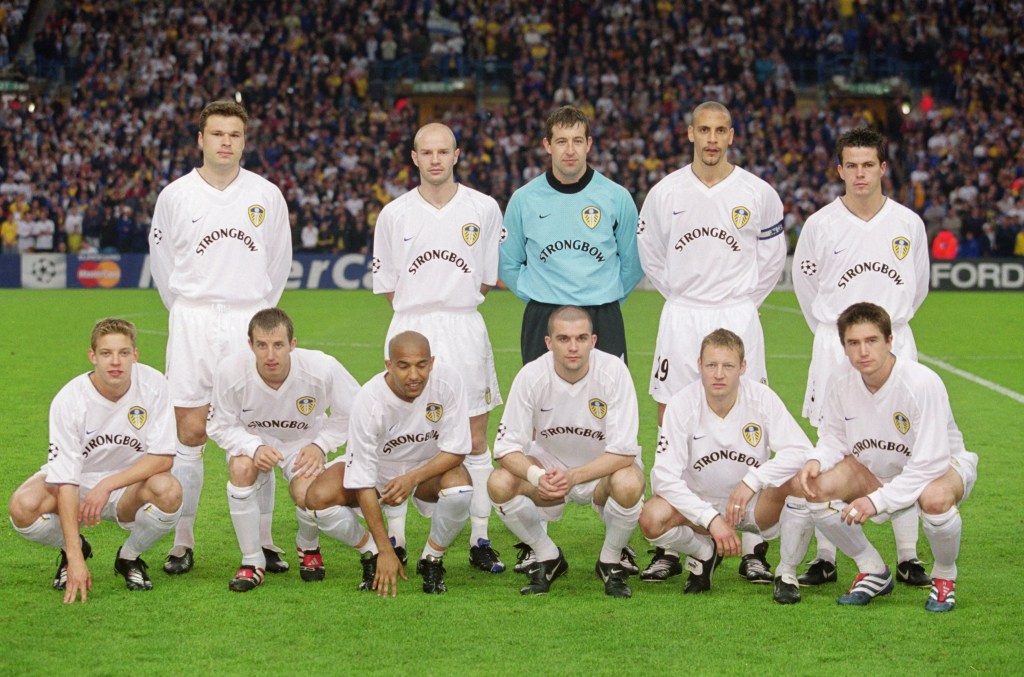
In the late 1990s and early 2000s, Leeds United became a club synonymous with ambition, flair, and youthful exuberance under the stewardship of manager David O’Leary. Taking charge in 1998, O’Leary guided the club through a transformative period, leading to remarkable highs and some challenging lows. This blog post explores O’Leary’s impact on Leeds, the thrilling journey of the team, and the legacy they left in the annals of English football.
The Rise of Leeds United
Leeds United’s rich history in English football has often been marked by significant highs and lows. After a period of decline in the 1980s and 1990s, the club found itself in the Second Division (now the EFL Championship) when David O’Leary took the managerial reins in 1998. He was relatively young and inexperienced at the time, but his vision and tactical acumen quickly began to bear fruit.
O’Leary prioritized youth development and sought to build a squad that balanced experience with burgeoning talent. He inherited a talented group of players, including the likes of Rio Ferdinand, Harry Kewell, and Alan Smith, who would soon play pivotal roles in the club’s ascent.
The Breakthrough Season: 1999-2000
O’Leary’s first full season in charge was nothing short of remarkable. Leeds United finished third in the Premier League, earning a spot in the UEFA Champions League for the following season. This was a significant achievement, as it marked the club’s return to European competition after a long absence.
Key to this success was a thrilling attacking style of play that captivated fans and neutrals alike. The team featured an exciting mix of youth and experience, with players like Kewell and Smith providing flair and creativity in attack, while Ferdinand, alongside the likes of Lucas Radebe, formed a solid defensive unit. The partnership between Ferdinand and Radebe was especially vital, combining skill and strength at the back.
European Adventures
The 2000-2001 season marked a significant milestone for Leeds United, as they qualified for the Champions League group stage. This was a momentous occasion, and the club approached the competition with great ambition. The squad had depth and quality, and O’Leary was eager to showcase their talent on the European stage.
Leeds drew attention with a series of impressive performances in the group stage, including memorable victories against the likes of AC Milan and Real Madrid. The highlight came when they defeated Deportivo La Coruna 3-0 at Elland Road, with goals from Harte, Smith and Ferdinand sealing a historic victory. This match not only demonstrated Leeds’ ability to compete with Europe’s elite but also signaled their return to prominence on the continental stage.
However, the Champions League journey came to an abrupt end in the semi-finals against Valencia. Despite the disappointment, the experience gained was invaluable, providing the players with exposure to high-pressure situations that would benefit them in the long run.
The Cost of Ambition
Despite the thrilling successes, the club’s ambitious approach came with its pitfalls. Following the 2000-2001 season, Leeds United’s financial situation began to deteriorate. The pressure to maintain their competitive edge led to a series of expensive signings, which ultimately strained the club’s finances.
O’Leary’s tenure began to unravel in the following seasons as the financial burden took its toll. The club’s ambitious plans to break into the upper echelons of English and European football did not translate into sustained success on the pitch. By the 2002-2003 season, results began to falter, and O’Leary was dismissed in 2002 after a disappointing start to the campaign.
Legacy and Impact
David O’Leary’s time at Leeds United, though ultimately cut short, left an indelible mark on the club’s history. He played a crucial role in rejuvenating Leeds, transforming them from a struggling side into a competitive force. His faith in youth development fostered an environment where emerging talent could flourish, paving the way for several players who would go on to have successful careers.
O’Leary’s emphasis on attacking football, combined with the spirit and determination of his players, captivated fans and reignited the passion associated with Leeds United. The team’s thrilling style of play earned them a reputation as one of the most exciting sides in the country during his tenure.
Though financial mismanagement ultimately led to a decline, the memories of those exhilarating years under O’Leary remain etched in the hearts of Leeds supporters. His ability to motivate and inspire players, along with his tactical insight, helped create a squad that still evokes nostalgia for a generation of fans.
Conclusion: A Club in Transition
David O’Leary’s era at Leeds United was marked by a thrilling ascent to prominence, characterized by youthful exuberance and ambitious dreams. The highs of reaching the Champions League and the unforgettable victories against Europe’s best teams are forever etched in the club’s history.
While financial mismanagement eventually led to a downturn for the club, the legacy of O’Leary’s tenure continues to resonate. His commitment to developing young talent and playing attractive football laid the groundwork for future generations at Leeds. As the club navigates its journey back to the Premier League and aims to recapture its former glory, the impact of O’Leary’s leadership and vision remains a testament to the enduring spirit of Leeds United.
 PremierLeagueNow