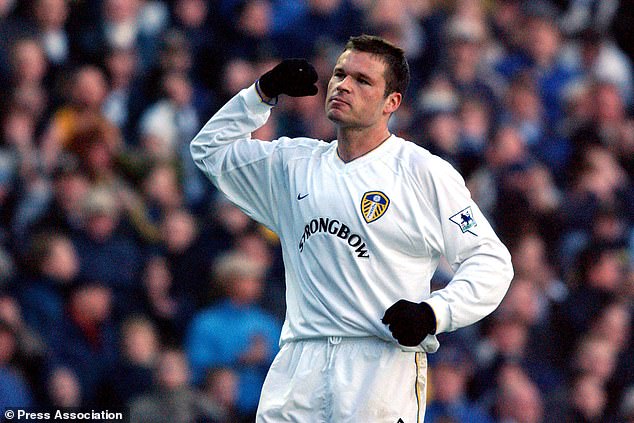
Mark Viduka, one of Australia’s most iconic footballers, recently celebrated his 48th birthday. Born on October 9, 1975, in Melbourne, Viduka carved out an exceptional career, starring in Europe’s top football leagues, including the Premier League and the Champions League. Known for his strength, goal-scoring ability, and leadership, Viduka’s legacy as a Socceroos great remains undeniable. But it’s not just his football career that stands out—his personal story, deeply tied to his Croatian roots, adds a layer of richness to his legacy.
Croatian Heritage and Football Roots
Viduka’s family emigrated from Croatia to Australia in the 1960s, a period when many Croats sought new opportunities in the land Down Under. Australia boasts a significant Croatian community, estimated at over 250,000 people, and Viduka’s upbringing in Melbourne was deeply influenced by his Croatian heritage. The Melbourne Knights (formerly known as Melbourne Croatia) provided the perfect environment for the young striker to develop his talents. Football ran in Viduka’s blood, with his father and extended family also heavily involved in the sport back in their European homeland.
Viduka’s Croatian connection is not just cultural but also familial. His father’s cousin is the father of 2018 Ballon d’Or winner Luka Modric, linking Viduka to one of Croatia’s greatest footballers. This family tie to Modric adds an intriguing dimension to Viduka’s story, as both men share a deep connection to Croatian football, even though their careers took them in different directions.
Career Beginnings and National Allegiance
Viduka’s professional career began at the age of 18 with Melbourne Knights in 1993. His rise was swift, and his talent was soon recognized beyond Australia. In 1995, Viduka made the bold decision to move to Croatia to play for Croatia Zagreb, now known as Dinamo Zagreb. His time in Croatia was a significant one, with Viduka helping the club to three consecutive doubles from 1996 to 1998. Despite the club’s success and his growing reputation, Viduka remained loyal to his Australian roots. He had already made his debut for the Socceroos and was even approached by the Croatian president, who attempted to persuade him to represent the country of his ancestors. However, Viduka stood firm, and his loyalty to Australia never wavered.
A Stellar Career in Europe
In 1998, Viduka’s talents were noticed by Celtic, and he moved to Scotland, where he spent two successful seasons. With 35 goals in 48 matches, Viduka was instrumental in Celtic’s attack. However, it was his move to Leeds United in 2000 that truly defined his career in Europe. At Leeds, Viduka formed a lethal partnership with Australian teammate Harry Kewell and English forward Alan Smith. In his first season, Viduka scored 22 goals, including four in a thrilling 4-3 victory over Liverpool, showcasing his ability to perform on the biggest stages.
During his time at Leeds, Viduka made a significant impact in the Champions League, scoring four goals in the 2000/01 campaign and helping the club reach the semi-finals in David O’Leary’s exciting young team. He became the highest-scoring Australian in the competition, a record that still stands today. Leeds finished fourth in the Premier League that season, earning a place in the Champions League once again.
Viduka’s performances at Leeds earned him interest from some of Europe’s top clubs, including AC Milan and Manchester United. He stayed until Leeds’ releagation in 2004, before moving on to Middlesbrough, where he continued to shine. He scored an impressive 14 goals in 29 starts on his first season in Teeside, before moving to Newcastle United in 2007.
Australia’s Premier League Hero
Viduka’s time in the Premier League saw him make 240 appearances and score 92 goals, making him Australia’s all-time top scorer in the English top flight. His record is far superior to other notable Australian footballers, including Tim Cahill (56 goals for Everton) and Harry Kewell (57 goals for Leeds and Liverpool). Viduka’s impact in the Premier League earned him a reputation as one of the league’s top forwards during his era.
In total, Viduka earned 43 caps for the Socceroos, scoring 11 goals. His leadership was recognized when he captained the national team, and after his playing days, he was inducted into the Sport Australia Hall of Fame, cementing his place as one of Australia’s finest footballers.
Life After Football
Since retiring from professional football, Viduka has made Zagreb his home, where he enjoys a quieter life with his family. He and his wife, Ivana, have three sons, and Viduka has found a new passion in the coffee business, owning a coffee shop in the Croatian capital. While he no longer plays, Viduka remains a beloved figure in both Australia and Croatia, thanks to his unique blend of football talent and cultural pride.
Viduka’s journey—from his early days in Melbourne to his rise through European football and his loyalty to Australia—remains an inspiring tale for aspiring footballers. His combination of strength, skill, and dedication made him a formidable forward, and his legacy as one of the greatest Socceroos of all time is secure. Whether on the pitch or behind the counter at his coffee shop, Mark Viduka’s love for football and his heritage continues to shine.

 PremierLeagueNow
Leave a comment