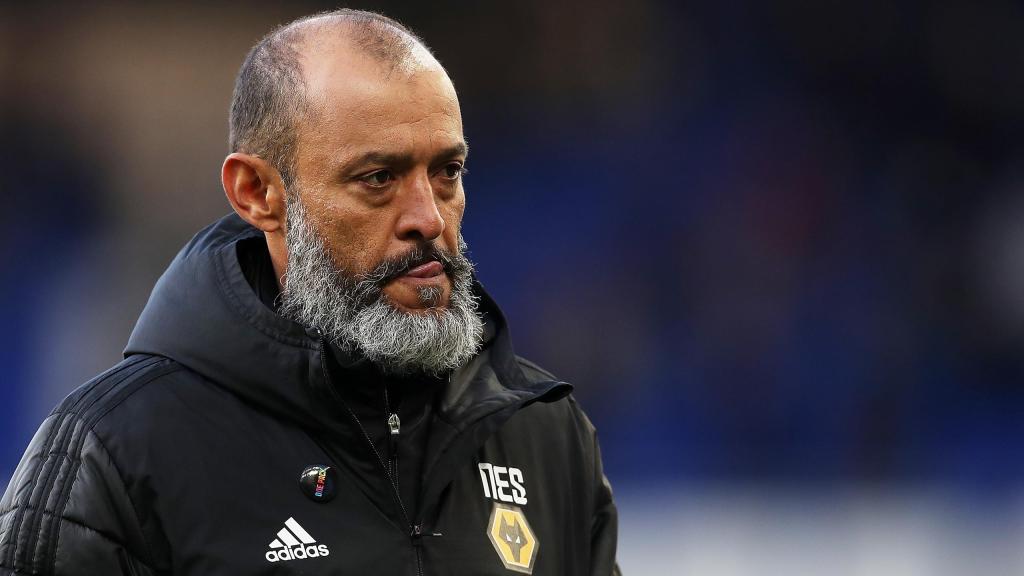
The announcement of Nuno Espirito Santo’s departure from Wolverhampton Wanderers in May 2021 marked the end of an era that redefined the club’s stature in English football. His four-year reign at Molineux saw moments of magic and memorable triumphs, propelling Wolves from the Championship to the Premier League’s upper echelons. Despite a disappointing 2020-21 season, where the team finished 12th, Nuno’s tenure was a testament to his tactical acumen, his ability to get the best out of players, and his role in restoring the club’s pride.
A New Era at Wolves
Nuno arrived at Wolves in the summer of 2017, following a tumultuous period for the club. After their relegation from the Premier League in 2012 and a number of managerial changes, Wolves had been languishing in the Championship. The club’s fortunes changed dramatically after Fosun, the Chinese conglomerate, took over the club in 2016, but it was Nuno who gave the team its identity.
In his first season, Nuno engineered a transformation, taking Wolves to the Championship title with a remarkable 99 points. His 3-4-3 formation, built around defensive solidity, quick transitions, and counter-attacks, was implemented immediately, with the players buying into his vision. The system gave Wolves a disciplined structure, and they proved to be a formidable side, with the likes of Conor Coady, Matt Doherty, and Ruben Neves playing key roles. This solid foundation proved to be the bedrock of the club’s Premier League journey.
Premier League Success
Nuno’s debut season in the Premier League (2018-19) exceeded expectations. Wolves finished in 7th place, securing a spot in the UEFA Europa League and becoming the best of the rest outside of the traditional top six. This achievement was a clear reflection of Nuno’s ability to set up his team against the top clubs. Wolves won the respect of the football world, with notable victories over Manchester United, Chelsea, and Tottenham Hotspur. Their disciplined, counter-attacking style caught many of the Premier League’s giants off guard.
The following season, 2019-20, was even more impressive. Wolves again finished 7th, securing another European spot. The team’s tactical nous, combined with individual brilliance from Raul Jimenez, Joao Moutinho, and Adama Traore, made them one of the most exciting sides to watch. Their European campaign also made waves, as they reached the quarter-finals of the Europa League, a run that included a memorable victory over Olympiakos in Athens.
The bond between Nuno and the fans at Molineux became stronger with each passing season. The stadium’s atmosphere reached new heights as Wolves competed with Europe’s elite, and Nuno, with his understated style, became a fan favorite. His ability to inspire his players to outperform their expectations was evident, and his tactical discipline made them a tough opponent for even the best teams in the league.
The Setback and the Challenge
However, the following seasons saw Wolves face significant challenges. The departure of key players like Diogo Jota and Matt Doherty left noticeable gaps in the squad. The club invested heavily in new signings, including Nelson Semedo and Fabio Silva, but the transition was not as seamless as the club had hoped.
The 2020-21 season proved to be a difficult one for Wolves. The early-season injury to star striker Raul Jimenez, who had been crucial to their success, had a profound impact. Jimenez had been the team’s talisman, scoring 27 goals in the previous season, but his absence due to a skull fracture left the team searching for a focal point in attack. Nuno’s attempts to adjust his system, including experimenting with a four-man defense, did not yield the desired results.
In addition to Jimenez’s injury, Wolves were plagued by other issues. Injuries to key players like Jonny, Willy Boly, and Daniel Podence further depleted the squad. The small squad size that had worked so well in previous seasons began to show cracks, with Wolves struggling to maintain their level of performance. The tactical flexibility that had been so effective in the past seemed to have reached its limit.
Despite these setbacks, Nuno remained committed to giving youth a chance, and some of the club’s young talents, like Pedro Neto and Fabio Silva, showed promise. However, it became clear that the squad was not able to maintain the high standards set in previous years. The disappointment of a mid-table finish after such high expectations reflected the challenges of keeping a club competitive in the Premier League without a consistent stream of top-tier reinforcements.
The End of the Journey
By the time the 2020-21 season drew to a close, the decision for Nuno to depart seemed inevitable. There were signs of a team that was meandering, without the direction and cohesion that had characterized their earlier years under him. A series of disappointing defeats, including losses to Tottenham Hotspur and Everton, underlined the sense that a fresh approach might be needed. Wolves’ decline was not dramatic, but it was enough to prompt the club’s management to consider a change.
Nuno’s departure was bittersweet. While many fans were disappointed to see him go, they also recognized the immense contribution he had made to the club. Under Nuno, Wolves had gone from being a Championship side to a European contender in the Premier League. He had brought back pride to Molineux and delivered some unforgettable moments, including wins over Manchester City and Liverpool and an unforgettable European adventure. Most notably, Nuno’s win percentage at Wolves surpassed that of legendary manager Stan Cullis, a remarkable achievement that underlined his impact on the club.
Legacy at Wolves
Nuno Espirito Santo’s legacy at Wolves will be defined by more than just results. His time at the club was characterized by an unwavering commitment to hard work, discipline, and a collective team ethic. His tactical nous, which saw him mold a Premier League contender out of a newly-promoted side, will be remembered fondly by fans. His ability to turn players like Neves, Jimenez, and Coady into Premier League stars was pivotal in the club’s rise.
But perhaps his greatest achievement was restoring pride to a club that had been in the doldrums for years. Wolves’ rise under Nuno was about more than just football; it was about a community finding its identity again. From the highs of Europa League nights to the everyday joy of supporting a team that could compete with the best, Nuno gave Wolves fans a sense of hope they hadn’t had in decades.
As he departed Molineux, Nuno could take pride in knowing he had taken Wolves to a level they could never have imagined when he first arrived. Though the future of the club remains uncertain, Nuno’s four-year reign will forever be remembered as a period of magic, pride, and progress at Wolverhampton Wanderers.
 PremierLeagueNow
Leave a comment