Sunderland A.F.C., a club steeped in history, has experienced a rollercoaster of highs and lows throughout its time in the Premier League. From securing their place in England’s top tier to experiencing the heartbreak of relegation, Sunderland’s Premier League journey has been marked by moments of glory, thrilling escapes, and the constant battle for survival. Their story encapsulates the unpredictability of the Premier League, as well as the loyalty of the club’s supporters who have stuck by their team through thick and thin.
Sunderland’s Premier League Beginnings: Promotion and Early Struggles
Sunderland’s return to the Premier League came in 1999, after the club won promotion from the First Division (now the Championship). After years of being in the second tier, Sunderland were keen to prove themselves in England’s top flight. The club had a proud history, having won the league title six times, but they had been absent from the Premier League since the 1996-97 season.
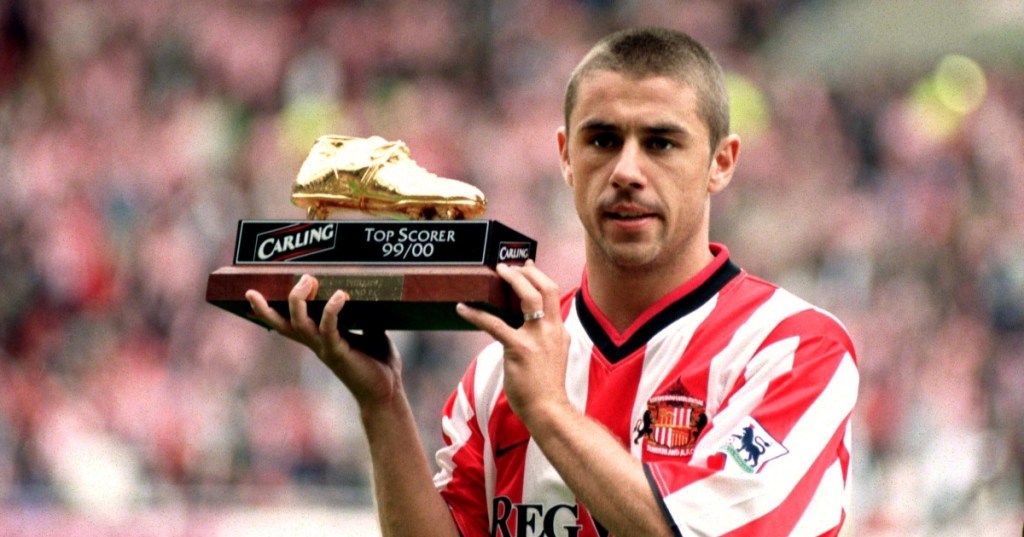
Their first few years back in the Premier League were full of struggle. They experienced a challenging 1999-2000 season, although Kevin Phillips and Niall Quinn thrived, they narrowly avoid relegation. The team’s troubles were exacerbated by injuries, poor form, and managerial instability, but Sunderland managed to hold on and maintain their Premier League status. However, this period of struggle was just the beginning of a turbulent journey that would span more than a decade.
The Roy Keane Era: A Glimpse of Glory
In 2006, Sunderland appointed former Manchester United star Roy Keane as manager. Keane’s arrival marked the beginning of a new era for the club. The Irishman was determined to bring a sense of discipline and determination to the team, and his impact was immediate.
Under Keane’s leadership, Sunderland earned promotion to the Premier League in the 2006-2007 season after winning the Championship title. Keane wasted no time in strengthening the squad, bringing in a mix of experienced players and emerging talents. His determination paid off in the 2007-08 Premier League season as Sunderland managed to avoid relegation, finishing in 15th place. While their position in the table was not spectacular, Sunderland had demonstrated the fighting spirit that Keane instilled in them.
The 2008-09 season saw Sunderland’s fortunes improve even further. Despite the departure of Keane mid-season, Sunderland finished in 16th place under the stewardship of Ricky Sbragia. Though they were still battling relegation at times, the team displayed resilience and managed to stay in the Premier League. The survival in the top flight helped to solidify Sunderland’s position as a Premier League club for the next decade.
The Steve Bruce Years: Consistency and Close Calls
After the departure of Sbragia, Sunderland appointed Steve Bruce in 2009. Bruce, a former Manchester United player, had a wealth of experience managing in the Premier League and was tasked with furthering Sunderland’s progress. Under Bruce, Sunderland began to show more consistency, finishing in the top half of the table in the 2010-11 season, with a respectable 10th-place finish. The team also had some standout performances, including a 3-0 win over Newcastle United in the Tyne-Wear derby.
However, despite some positive results, Bruce struggled to maintain Sunderland’s upward trajectory. The following seasons saw the club flirting with relegation once again, with their form fluctuating. In the 2011-12 season, Sunderland narrowly avoided relegation, finishing 13th. Bruce’s tenure ultimately ended in 2011 when he was sacked due to poor results.
In Bruce’s place, Sunderland brought in Martin O’Neill in December 2011. O’Neill had a proven track record in English football, having enjoyed successful stints at Leicester City and Aston Villa. He brought a new sense of optimism to the club, and Sunderland improved in the latter part of the 2011-12 season, finishing in 13th place. Despite their struggles, O’Neill’s experience proved valuable in stabilizing the club, and Sunderland managed to stay in the Premier League.
The 2010s: The Struggle to Stay Afloat
The 2010s were a tumultuous period for Sunderland in the Premier League, with the club experiencing a string of managerial changes and relegation battles. After O’Neill’s departure in 2013, Sunderland brought in Paolo Di Canio, a charismatic Italian manager who was known for his fiery passion. However, Di Canio’s reign was short-lived, and the club went through a succession of managers, including Gus Poyet and Dick Advocaat. Despite these changes, Sunderland found themselves in yet another relegation scrap, narrowly avoiding the drop in several seasons.
The 2013-2014 season was particularly notable for Sunderland’s remarkable escape from relegation. Under Poyet, the club went on a memorable run of results, including a 3-0 victory over Newcastle in the Tyne-Wear derby, and managed to stay up on the final day of the season. This was followed by another near-miss in 2014-2015, but once again Sunderland secured their top-flight status in the final stages.
However, despite some heroic escapes from relegation, the club’s struggle to remain in the Premier League intensified. The 2015-2016 season saw Sunderland finish 17th, just one point clear of the relegation zone, and the 2016-2017 season marked the beginning of their long-awaited relegation from the Premier League. After finishing in 20th place, Sunderland were relegated to the Championship, ending their Premier League tenure after a period of 10 years.
The Relegation and the Rebuilding Process
Sunderland’s relegation in 2017 was a bitter blow for the club and its fans. Despite several attempts at rebuilding under new management, the club’s fortunes continued to decline. The failure to bounce back immediately from relegation has left Sunderland fighting to regain their place in the Premier League, as they have continued to struggle in the Championship.
In the years since relegation, Sunderland has undergone a difficult and slow process of rebuilding. The club has had to contend with financial struggles, ownership changes, and a shifting squad, but their fans remain hopeful for a return to the Premier League. The road back has been long, but with a new sense of optimism and investment in the team, Sunderland remains determined to return to the top flight.
Legacy and Future
While Sunderland’s Premier League journey was often filled with ups and downs, the club’s time in the top tier will always be remembered for the passion, determination, and pride of the fans. The Black Cats were never a club content with mid-table mediocrity; they constantly battled against relegation but also had moments of real promise and success.
The club’s rise and fall within the Premier League is a testament to the unpredictable nature of the modern top flight. Sunderland’s fans remain some of the most loyal in the country, hoping for a return to the Premier League and brighter days ahead.
Despite their recent struggles, Sunderland is a club with a rich history and tradition, and their Premier League story will be remembered as one full of dramatic twists, narrow escapes, and the tireless fight for survival. The journey may have ended for now, but the dream of returning to the Premier League is alive and well in the heart of Sunderland.
 PremierLeagueNow
Leave a comment