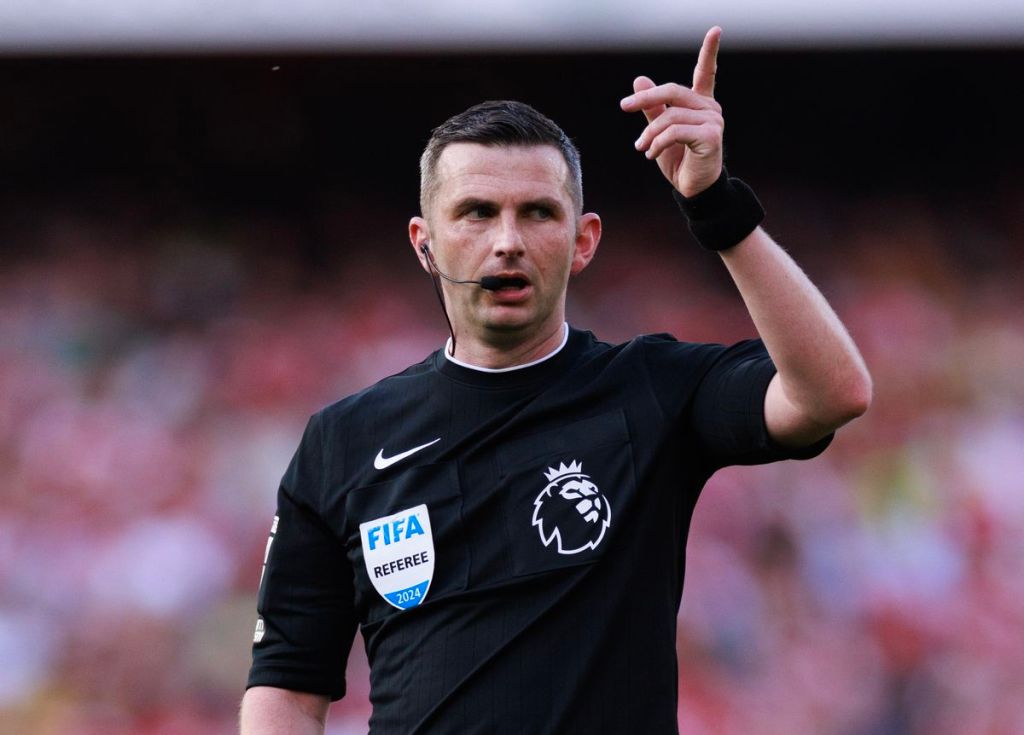
In the world of football, players aren’t the only ones putting in the hours of fitness training. Referees, those who often go unnoticed during the match, are also subjected to intense physical regimes designed to keep them at peak performance levels. Mike Dean, former Premier League referee, recently shed light on the rigorous pre-season fitness drills that officials undergo to stay in top shape. These exercises aren’t just about staying fit – they’re crucial to ensuring referees can keep up with the game’s fast pace and demanding physicality. They are subject to many rigorous tests, such as the notorious the bleep test, otherwise known as the beep test, which keeps football referees on top of their game.
Pre-Season Training: The Referee’s Workout
Referees undergo a highly structured pre-season training program, very similar to that of professional players. Mike Dean shares that this training is no walk in the park. The physical tests they endure are designed to ensure that, just like the players on the field, they are capable of maintaining peak performance levels over 90 minutes of high-speed action.
One of the first tests referees face involves a series of 40-meter sprints. With a strict time limit of 5.95 seconds per sprint, the officials must perform four sprints with a one-minute rest in between. If they fail to meet the required time, it’s a fail. This is followed by interval training that demands 40 x 75-meter high-speed runs in less than 15 seconds, paired with 25-meter walks in under 16 seconds. These tests are a reflection of what referees might experience during a fast-paced game, where they need to sprint to keep up with the play or quickly change direction to make key decisions.
The fitness tests aren’t just one-offs, either. Throughout the season, referees are regularly subjected to these challenges, which helps keep them match-fit and ready to handle the demands of every fixture. The sessions are typically done in groups of four, providing a sense of camaraderie and competition as they push each other to excel.
Keeping Fit All Year Long
While pre-season training is intense, referees don’t get to rest once the season starts. Mike Dean notes that the fitness regime continues throughout the year with specific weekly schedules. For example, Mondays are dedicated to strength and conditioning, while Tuesdays focus on speed endurance with high-intensity workouts. Thursdays are for speed training, and Fridays usually consist of lighter sessions before traveling for matchday duties. Referees also dedicate Sundays to recovery, ensuring they are always in peak form.
In addition to group sessions, referees also have individual fitness programs that they follow at home, ensuring they maintain fitness even during the off-season or when they’re away on holiday. These programs are monitored with high-tech GPS devices to track performance, ensuring that no one slacks off, even when they’re not on the pitch.
Why Fitness Matters for Referees
You might wonder, why all this effort? The simple answer is: referees need to be just as fit as the players they’re officiating. In a modern game where players routinely cover up to 10 kilometers in a match, referees must be able to keep up with the pace. A referee who’s lagging behind will miss crucial moments of the game, potentially leading to poor decisions.
For instance, during a counter-attack, referees must be able to sprint to the right spot in a matter of seconds. As Dean points out, players like Mohamed Salah won’t slow down for a referee, and officials need to be agile enough to stay on their heels. Keeping fit ensures that referees can track the play, make accurate calls, and remain in the right position at all times.
Moreover, the physical demands of a football match are not limited to running. Referees also need the stamina to maintain focus and make split-second decisions under pressure. Just like players, referees need to be in peak physical condition to ensure they can execute their roles effectively without succumbing to fatigue.
The Mental Aspect of Fitness
Interestingly, physical fitness is also linked to mental sharpness. As Mike Dean mentions, referees are not only subjected to high-intensity physical workouts but also undergo mental conditioning to help them perform under the pressure of Premier League games. Referees must remain calm and focused during high-stress moments, and the physical training helps them to stay sharp both physically and mentally.
Even more impressive is that none of the current referees failed their fitness tests during pre-season, which reflects a high standard of professionalism and commitment. The results are evident, with referees like Martin Atkinson, Jon Moss, and Kevin Friend showing up at St George’s Park looking leaner and fitter than ever before.
Conclusion: Referees Are Athletes Too
The training and fitness required of Premier League referees show that they are athletes in their own right. The pre-season fitness tests and year-round physical programs highlight how demanding their roles really are. Just like the players they oversee, referees must maintain high fitness levels to ensure they can keep up with the fast pace of the game. And, as Mike Dean humorously points out, even former players like Gary Neville are put to the test during these sessions – although he may have been caught “cheating” during one particular bleep test!
So next time you watch a Premier League game, remember that the officials running up and down the pitch are not just there to blow the whistle – they’re athletes who’ve put in just as much work as the players to make sure the game is officiated at the highest level.
 PremierLeagueNow
Leave a comment