The Premier League is home to some of the most iconic and state-of-the-art football stadiums in the world. From Old Trafford’s rich history to the cutting-edge design of the Etihad Stadium, fans and players are spoiled for choice when it comes to atmosphere and facilities. However, not every ground in the league is on the same level. While many clubs have embraced modernity and innovation, there are still a few stadiums that leave much to be desired in terms of both design and fan experience. In this post, we’ll take a look at some of the worst Premier League stadiums, dissecting why these venues often draw criticism from fans and pundits alike.
1. Goodison Park (Everton)
Goodison Park is one of the oldest stadiums in the Premier League and has a lot of history behind it. However, that’s where the positives start and end for the Toffees’ home ground. Opened in 1892, Goodison has failed to keep up with modern expectations of a top-tier football stadium. The stadium’s facilities are outdated, and the cramped seating makes it less comfortable than many newer grounds. The poor sightlines in some areas, especially in the upper tiers, make it harder for fans to get a full experience of the game. Additionally, the lack of a roof in certain stands leaves spectators exposed to the elements.
Despite its historical value, Everton has long been planning a move to a new stadium at Bramley-Moore Dock, but as of now, Goodison Park remains a reminder of the club’s inability to modernize its home base. The atmosphere may still be passionate, but Goodison’s dilapidated nature cannot be overlooked.
2. Vicarage Road (Watford)
Vicarage Road, Watford’s home stadium, has been a source of frustration for fans and neutrals alike for many years. While it is small and compact, it often feels outdated compared to its Premier League counterparts. The stadium’s lack of modern amenities makes it feel like a relic from a bygone era. One of the main complaints from visitors is the limited seating, particularly in the away section, which offers poor views of the pitch and limited legroom.
In addition, the lack of an expansive concourse or modern facilities like hospitality lounges or fan zones makes the matchday experience a bit underwhelming. The structure of the stands is also a bit mismatched, with certain stands built in different eras, leaving the ground looking uncoordinated and a little outdated. While Vicarage Road does have a bit of charm in its intimacy, it certainly does not measure up to the standards of the top Premier League teams.
3. Selhurst Park (Crystal Palace)
Selhurst Park in South London is another ground that has suffered from a lack of investment and modernization. While it has an old-school charm that some fans still love, there is no escaping the fact that it is in dire need of renovation. The stadium was originally built in 1924, and since then, it has seen only sporadic upgrades, leaving it with some major shortcomings. The seating is cramped, and the facilities are well below the modern standards that many Premier League fans are now accustomed to.
The ground is also known for its awkward and outdated architecture, with a few stands that don’t quite match each other in terms of size and shape. This can create an odd visual experience, and some fans claim that Selhurst Park feels more like a lower-league ground than a Premier League one. Moreover, the location of the stadium isn’t the most accessible for fans, with limited transport links, making it an inconvenience for visitors.
4. Turf Moor (Burnley)
Burnley’s Turf Moor is another stadium that stands as a testament to a bygone era in English football. While it is quaint and full of character, Turf Moor has not changed much since its construction in 1883. With a small capacity and a lack of modern amenities, Turf Moor often feels cramped and outdated, especially when compared to the more advanced grounds of other Premier League clubs.
The stands are narrow, and the outdated facilities don’t provide the comfort or entertainment that many fans expect in today’s game. The concourses are small and often overcrowded, and the club’s lack of investment in the ground over the years has left Turf Moor lagging behind in terms of matchday experience. Despite its loyal following and passionate atmosphere, Turf Moor remains one of the least inspiring grounds in the Premier League.
5. Carrow Road (Norwich City)
Carrow Road, Norwich City’s home ground, has been the club’s base for decades. While it does have some charm and intimacy, the stadium often gets criticized for its lack of modern infrastructure and facilities. The ground is relatively small, and its outdated design means that it doesn’t offer much in terms of comfort for the fans.
One of the biggest criticisms of Carrow Road is its lack of cover in certain areas. Away fans, in particular, are often subjected to the elements due to uncovered seating in parts of the stadium, which can be uncomfortable, especially during rainy or cold weather. The ground also suffers from a lack of high-end facilities, such as luxury boxes or modern hospitality lounges, which are becoming increasingly common in Premier League stadiums. While Carrow Road isn’t the worst stadium in terms of size or design, its dated facilities and lack of investment mean it lags behind many of its Premier League counterparts.
6. St. James’ Park (Newcastle United)
St. James’ Park is one of the most iconic stadiums in English football, located in the heart of Newcastle. However, despite its large capacity and rich history, it has faced significant criticism for its lack of modernization and outdated facilities. The most noticeable issue with St. James’ Park is its very steep and intimidating seating, which leaves some fans struggling to enjoy the matchday experience comfortably.
Moreover, the design of the stadium is often criticized for its mismatch of stands and uncoordinated shape. While the club has made some attempts to modernize parts of the stadium over the years, the lack of investment in key areas, such as the concourses and seating, remains a major issue. The atmosphere at St. James’ Park is undoubtedly one of the best in the league, but the ground itself doesn’t always live up to its potential.
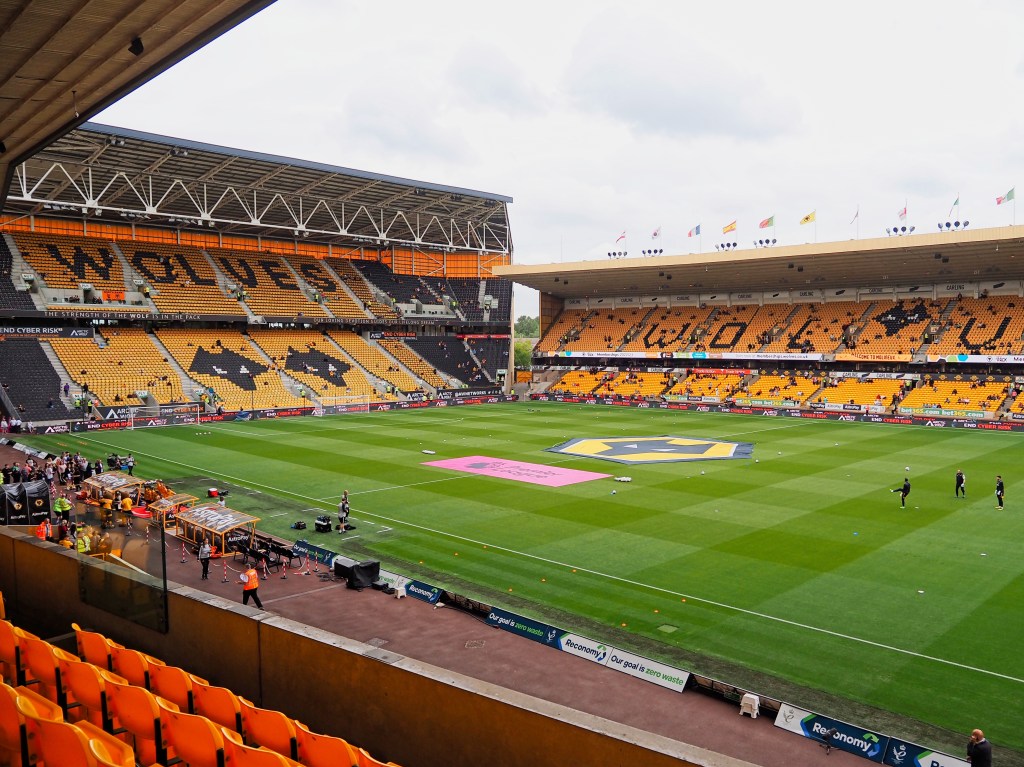
7. Molineux (Wolverhampton Wanderers)
Molineux Stadium, the home of Wolverhampton Wanderers, has undergone some redevelopment in recent years. However, it still lags behind the modern-day Premier League standard in several ways. While the new stands have improved the overall look and feel of the stadium, parts of Molineux are still considered outdated.
One of the main criticisms of Molineux is the lack of space and cramped conditions, which are often a problem in older stadiums. The outdated seating and lack of proper legroom in some parts of the stadium make it uncomfortable for fans. Additionally, the outdated facilities, including the lack of luxury boxes and other modern features, mean that Molineux often doesn’t offer the level of comfort expected by top-flight supporters.
Conclusion
While the Premier League boasts many world-class stadiums, it’s clear that a few grounds continue to fall behind the pack. Whether it’s due to a lack of investment, outdated designs, or simply the inability to keep pace with modern standards, stadiums like Goodison Park, Vicarage Road, and Selhurst Park highlight the challenges some clubs face in updating their homes. These grounds might have a certain charm or history, but when it comes to the comfort, facilities, and overall experience expected in the modern era of football, they don’t quite make the cut. As clubs continue to modernize and invest in their stadiums, these venues will likely remain relics of the past.
 PremierLeagueNow
Leave a comment