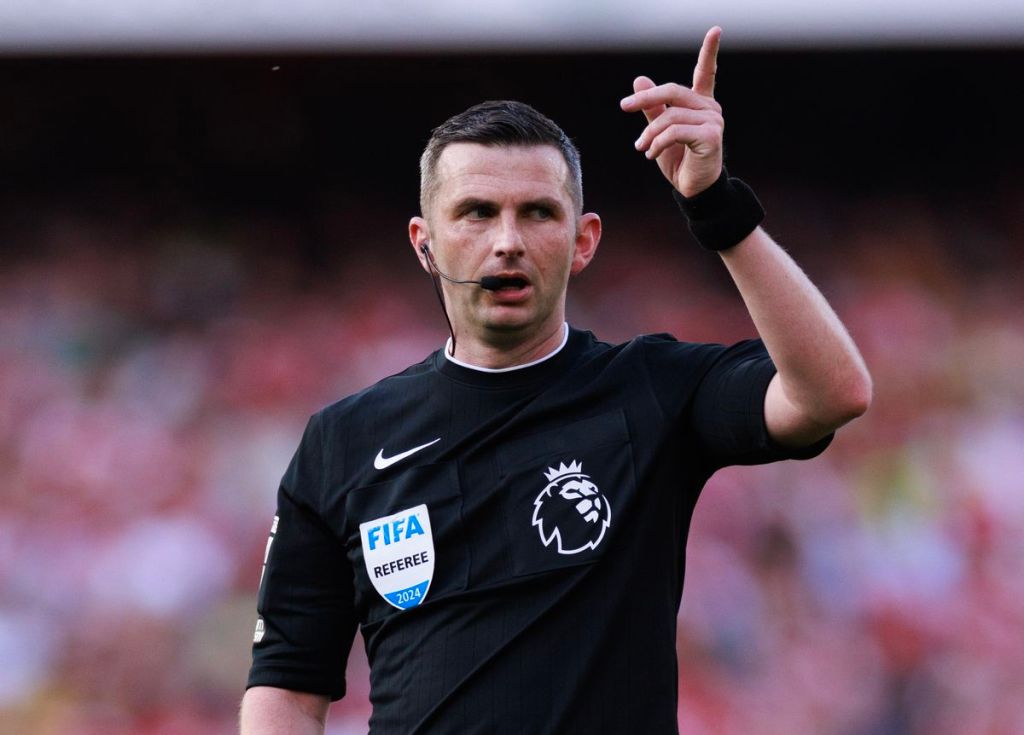
The Premier League is home to some of the most exciting football in the world. With fast-paced matches, intense rivalries, and high-stakes competition, emotions often run high. Amid the drama, referees play a vital role in keeping order – and one of the key tools at their disposal is the yellow card.
A yellow card is more than just a warning; it’s a formal disciplinary measure that can shape the course of a game. But what exactly does it mean, and how can a player earn one? Here’s everything you need to know about yellow cards in the Premier League.
What Is a Yellow Card?
A yellow card is a caution given by the referee to a player who has committed a certain type of foul or misconduct. It’s a way of formally warning the player that their behavior has crossed a line – but it does not result in immediate dismissal. However, two yellow cards in a single match automatically result in a red card, meaning the player is sent off and their team must play with one fewer player.
Yellow cards are part of FIFA’s Laws of the Game and are consistently applied across Premier League matches. They serve both as punishment and a deterrent, ensuring that the game remains fair and under control.
Why Are Yellow Cards Given?
There are several reasons a player can receive a yellow card. According to the official Laws of the Game, there are seven main offences that lead to a caution.
1. Unsporting Behaviour
This is the most common reason for a yellow card and covers a wide range of actions. Examples include:
- Reckless tackles or challenges
- Attempting to deceive the referee (diving)
- Excessively celebrating a goal (e.g., removing your shirt)
- Time-wasting when your team is ahead
- Handling the ball deliberately to stop play
Essentially, any action that disrupts fair play or shows a lack of sportsmanship can fall under this category.
2. Dissent by Word or Action
Football can be emotional, but players are expected to keep their frustrations in check. Arguing with the referee, shouting in protest, or making dismissive or sarcastic gestures toward officials can earn a player a yellow card for dissent.
This rule helps protect referees and ensures respect for their authority on the pitch.
3. Persistent Infringement
If a player commits multiple fouls over the course of a game, even if each foul by itself doesn’t warrant a yellow card, they can still be cautioned for persistent infringement. This is a way to penalize players who continuously disrupt play with repeated small fouls.
Referees usually give verbal warnings first. If the behavior continues, a yellow card follows.
4. Delaying the Restart of Play
Players who take too long to resume the game – for example, by kicking the ball away after a free-kick is awarded to the other team or standing in front of the ball to prevent a quick restart – can be shown a yellow card. This tactic is often used to waste time, especially late in games.
5. Failing to Respect the Required Distance
During free-kicks, corners, and throw-ins, players must stand a certain distance from the ball. For free-kicks, this is typically 10 yards. If a player deliberately refuses to move back or tries to block the kick, they can receive a yellow card.
6. Entering or Re-entering the Field Without the Referee’s Permission
Players must have the referee’s permission to enter or re-enter the pitch, especially after receiving treatment or being substituted. Entering the field without permission – even if by mistake – can result in a caution.
7. Leaving the Field Without the Referee’s Permission
Similarly, if a player leaves the field without telling the referee (for example, to delay play or provoke the crowd), they can be booked.
How Do Yellow Cards Affect Players and Teams?
In-match, a yellow card puts a player at risk. If they commit another bookable offence, they will receive a second yellow – which becomes a red card, resulting in dismissal. This not only affects the current match but can also lead to suspensions.
In the Premier League, yellow cards are also accumulated across multiple matches:
- 5 yellow cards in the first 19 league matches = 1-match suspension
- 10 yellow cards in the first 32 matches = 2-match suspension
- 15 yellow cards in a season = 3-match suspension
This system encourages players to stay disciplined throughout the campaign.
VAR and Yellow Cards
With the introduction of VAR (Video Assistant Referee) in the Premier League, there’s a common misconception that VAR reviews yellow card decisions. In reality, VAR only intervenes for red card incidents, goals, penalties, and mistaken identity.
That said, a yellow card given for an incident that is later upgraded to a red following a VAR review (such as a dangerous challenge) can be overturned and changed to a sending off.
Famous Yellow Card Moments
While yellow cards are commonplace, some have become famous – or infamous – over the years. Think of players like Joey Barton, who built a reputation for living dangerously on a yellow. Or tactical bookings where players intentionally get a yellow to serve a suspension during a “easier” game – a tactic that can backfire if caught.
There are also emotional moments, like goal celebrations that cost players a yellow (and sometimes a red if they were already booked). The balance between passion and discipline is often tested in football’s biggest matches.
Conclusion
Yellow cards are a vital part of football and play a key role in maintaining order and fairness in the Premier League. They serve as a warning, a punishment, and a signal to both the player and their team that certain behaviors are unacceptable.
Whether it’s a reckless tackle, delaying play, or arguing with the referee, players must tread carefully once cautioned. For fans, a yellow card can heighten the drama – especially when a player is “on a booking” and every challenge they make could be their last.
Understanding why yellow cards are given helps fans appreciate the fine line players walk in high-stakes matches – and how a simple flash of yellow can shape the outcome of a game.
 PremierLeagueNow
Leave a comment