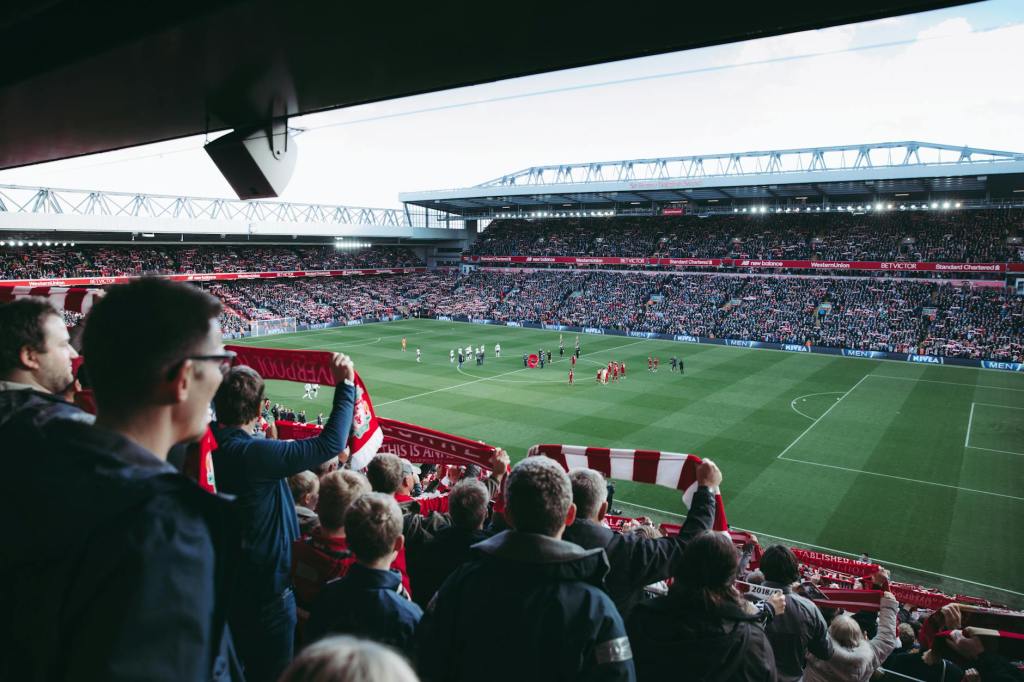
The FIFA Club World Cup, established in 2000, stands as the ultimate test of club supremacy on a global scale. Pitting continental champions from each confederation against one another, it’s where footballing ideologies, styles, and traditions clash in pursuit of a singular, coveted title. While South American and European teams have traditionally dominated the tournament, the participation and impact of Premier League clubs provide a fascinating sub-narrative in its history.
Origins and Evolution
Before the Club World Cup came into being, the Intercontinental Cup (1960–2004) served as the unofficial world championship, contested between the champions of Europe (UEFA) and South America (CONMEBOL). However, the vision of FIFA was more expansive—a tournament representing all corners of the football world.
The inaugural FIFA Club World Championship took place in Brazil in 2000. The format included eight teams, among them Manchester United, invited as a gesture for having won the 1999 UEFA Champions League. United controversially withdrew from the FA Cup that season to participate, sparking debate in England about the value of global competitions. Their performance was underwhelming—they failed to make it past the group stage—but the symbolic presence of a Premier League giant on the global stage set a precedent.
Financial troubles and logistical concerns shelved the tournament for several years before its reintroduction in 2005 in Japan. This new iteration featured a more streamlined format, usually involving seven teams and a single-elimination knockout phase.
Premier League Teams in the Spotlight
Though English teams are often considered global footballing heavyweights, their impact in the Club World Cup has been intermittent, punctuated by moments of both brilliance and disappointment.
Manchester United – 2008 Champions
Sir Alex Ferguson’s 2008 Manchester United side became the first Premier League team to lift the FIFA Club World Cup. After winning the UEFA Champions League in Moscow earlier that year, United traveled to Japan to represent Europe. In the final, they edged past Ecuadorian side LDU Quito 1-0, thanks to a goal from Wayne Rooney. The win marked a turning point, validating the global ambitions of Premier League clubs and signaling that English sides could not only compete but triumph on the world stage.
Chelsea’s Dual Journey – Heartbreak and Redemption
Chelsea’s relationship with the Club World Cup is a tale of two finals. In 2012, after their dramatic Champions League win under Roberto Di Matteo, the Blues faced Brazil’s Corinthians in the final. Despite being favorites, Chelsea fell 1-0, succumbing to the energy and tenacity of the South American champions.
Fast forward a decade to 2021 (played in February 2022 due to COVID-19 delays), and Chelsea returned with unfinished business. Under Thomas Tuchel, they were more mature and better equipped. Facing Palmeiras of Brazil in the final, they secured a 2-1 extra-time victory, thanks to a Kai Havertz penalty. The win completed the club’s international trophy cabinet and marked another milestone for the Premier League.
Liverpool – Finally Conquering the World
Liverpool, one of England’s most storied clubs, had long chased international glory. After falling short in the 2005 final to São Paulo, they returned in 2019 with a squad at the peak of its powers under Jürgen Klopp. In a tense final against Flamengo—reminiscent of their 1981 Intercontinental Cup loss to the same opponents—Liverpool won 1-0 through a Roberto Firmino goal in extra time. The victory cemented Klopp’s side as one of the most dominant of the era and gave the Anfield faithful a trophy that had long eluded them.
Challenges for Premier League Clubs
Despite the prestige, the Club World Cup has often posed logistical and motivational challenges for English clubs. Mid-season scheduling can disrupt domestic momentum, as seen with Liverpool fielding a youth squad in the EFL Cup while their senior team played in Qatar in 2019. The relative lack of commercial and fanfare attention (especially compared to UEFA competitions) has also meant some clubs view the tournament more as a burden than a priority.
Nevertheless, recent years have seen a shift in perception. With the global branding of the Premier League and its clubs, winning the Club World Cup is now seen as a mark of completeness—proof not just of continental supremacy, but global dominance.
A Look Ahead
In 2025, the Club World Cup is set to undergo a major transformation. The tournament will expand to 32 teams and be hosted in the United States, resembling the structure of a traditional World Cup. Chelsea and Manchester City have already qualified for this expanded version. This evolution offers a fresh opportunity for Premier League clubs to further etch their names in the tournament’s legacy.
The expansion also reflects the growing globalization of club football. With vast international fanbases, Premier League teams are not just representing England—they are ambassadors of a league that has become a global brand. As the competition grows in prestige and popularity, expect English clubs to take it even more seriously.
Conclusion
The FIFA Club World Cup has had a complex but increasingly significant relationship with Premier League teams. From Manchester United’s early misfire to Chelsea and Liverpool’s redemptive triumphs, English clubs have helped shape the narrative of the competition. With an expanded format and rising stakes, the next chapter promises to be even more exciting—and the Premier League will undoubtedly be at the heart of it.
 PremierLeagueNow
Leave a comment