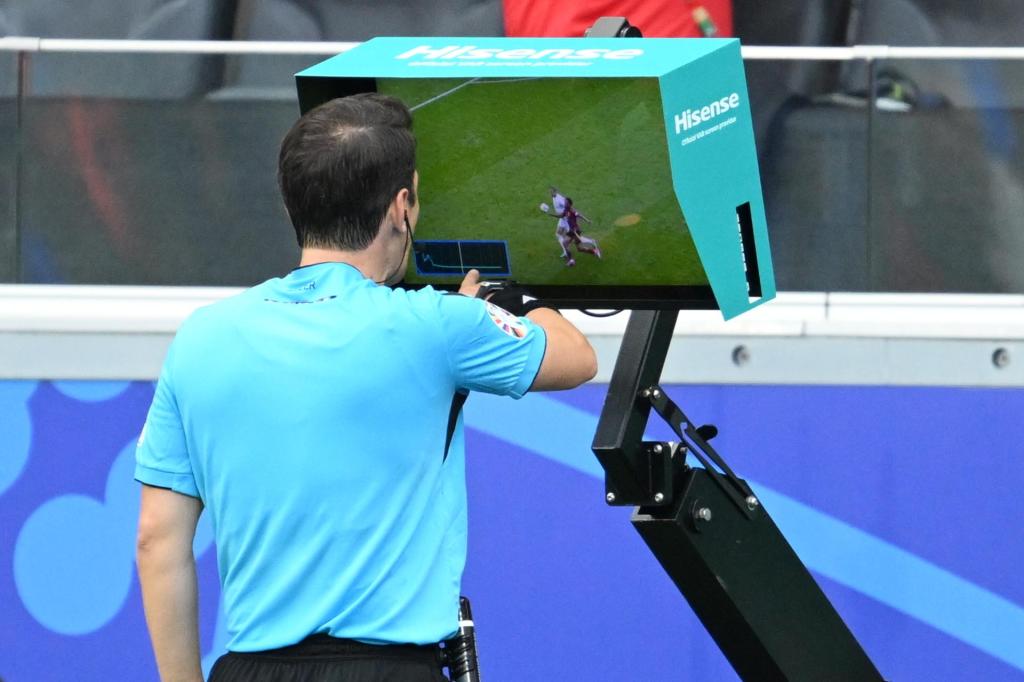
Technology has become inseparable from modern sport. For fans, players, and officials, decisions made in the heat of the moment can decide trophies, reputations, and careers. Football has the Video Assistant Referee (VAR); cricket has the Decision Review System (DRS). Both were introduced with the same aim – to reduce human error and improve fairness – yet their reception has been vastly different. While cricket fans generally accept DRS as an integral part of the game, VAR in the Premier League continues to face criticism week after week. So, which sport really handles technology better?
The Origins of Tech in Both Sports
Cricket’s DRS was rolled out in 2008, initially to review lbw (leg before wicket) decisions. It now uses ball-tracking, ultra-edge (for detecting faint nicks), and slow-motion replays to support on-field umpires. Importantly, the final call still rests with the on-field official, giving the technology an advisory role. The end result is that there are less mistakes and the markets at Boylesports cricket can be bet on with full confidence that the result will be fair.
Football introduced VAR much later, in 2018, with the Premier League adopting it in 2019. VAR is used to review goals, penalties, red cards, and cases of mistaken identity. Unlike cricket, where players can challenge decisions, football leaves reviews entirely in the hands of the officials in the VAR room.
Transparency and Communication
This is where the two sports diverge sharply.
In cricket, fans in the stadium and viewers at home see exactly what the third umpire is seeing. When a captain challenges an lbw, the ball-tracking projection and ultra-edge graphics are broadcast in real time. This makes the process transparent and relatively easy for fans to follow, even if they don’t always agree with the outcome.
By contrast, VAR often feels like a closed-door process. Supporters in the stadium are left in the dark, watching referees with fingers in their ears waiting for instructions from a booth miles away. Replays aren’t always shown, explanations are minimal, and delays feel longer because of the lack of communication. This lack of transparency has fuelled much of the anger directed at VAR in the Premier League.
Speed and Flow of the Game
Cricket, by nature, is a stop-start sport. A pause for a DRS review rarely feels intrusive, as players and fans are accustomed to breaks between deliveries and overs. The theatre of waiting for the “ball-tracking” to appear on screen has even become part of the entertainment.
Football, however, thrives on rhythm and momentum. A two- or three-minute delay for a VAR check can completely break the flow of a game, deflating the crowd and frustrating players. For a sport built on constant movement, these interruptions feel disruptive and unnatural.
Accuracy vs Spirit of the Game
Both VAR and DRS aim for accuracy, but their interpretation of “accuracy” differs.
In cricket, DRS has built in an element of umpire’s call – a recognition that the technology itself has margins of error. If the ball is just clipping the stumps, the on-field umpire’s decision stands. This preserves the authority of umpires and respects cricket’s tradition of giving them the benefit of the doubt.
Football’s VAR, however, often aims for forensic precision. Offside decisions are determined by marginal lines drawn on a screen, sometimes deciding a player’s fate by the width of an armpit. While technically correct, these decisions feel out of step with the spirit of the game, where fans expect “clear and obvious” errors to be overturned, not borderline calls that split pixels.
Fan Perception and Acceptance
Ultimately, how fans perceive technology is just as important as how it works.
In cricket, most fans now view DRS as part of the drama. Teams use reviews tactically, and crowds enjoy the suspense. While controversies still arise – especially over umpire’s call – there is broad acceptance that DRS has made the game fairer overall.
In football, VAR has struggled to win hearts. The lack of transparency, lengthy delays, and hyper-technical offside rulings have left many fans longing for the old days of simply celebrating a goal without waiting for a possible VAR check. The chants of “it’s not football anymore” in stadiums capture the widespread frustration.
Lessons Football Can Learn from Cricket
So, what can the Premier League take from cricket’s example?
- Transparency is vital – show fans the process, just like cricket broadcasts DRS reviews. Hearing or seeing what officials are considering would help build trust.
- Limit reviews to clear errors – cricket accepts some margin for umpire interpretation. Football’s obsession with absolute precision on offsides undermines the spirit of the game.
- Quicker communication – if cricket can deliver decisions in under a minute, football should aim to reduce the time VAR reviews take, especially for straightforward calls.
Verdict: Who Handles Technology Better?
While neither system is flawless, cricket currently handles technology better than football. DRS complements the game without overshadowing it, balancing fairness with the spirit of play. VAR, on the other hand, still feels intrusive, opaque, and overly rigid.
The Premier League has the chance to refine VAR and learn from cricket’s journey. With greater transparency, speed, and a focus on clear errors, football could eventually reach the same point of acceptance. Until then, cricket remains the sport that uses technology more effectively, not just to correct mistakes, but to enhance the spectacle.
 PremierLeagueNow
Leave a comment