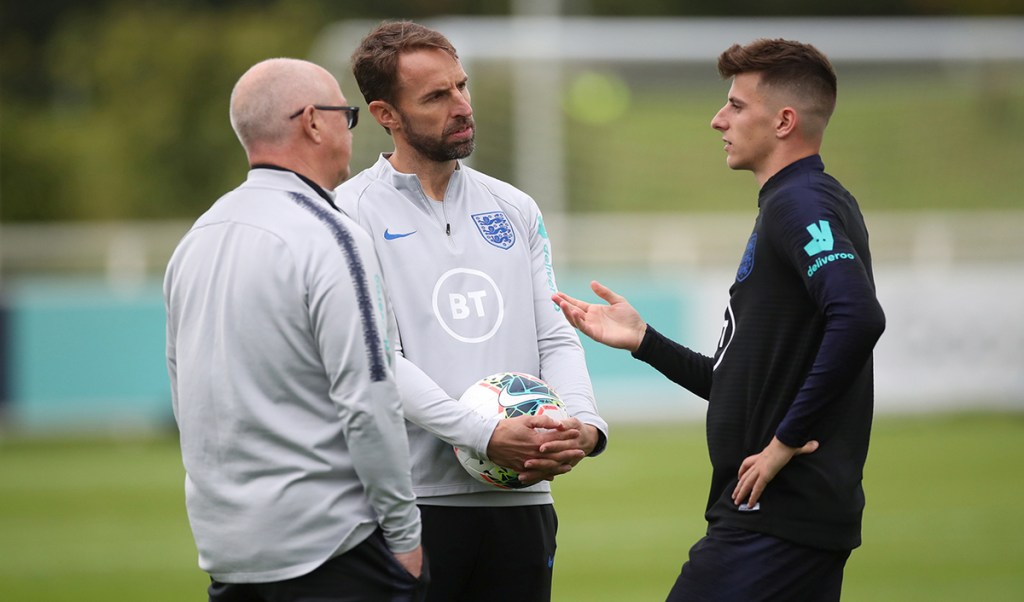
In a game where every pass, tackle, and shot is scrutinised, success in the Premier League isn’t just about physical strength or technical brilliance — it’s about mental resilience. The players may be the ones running out onto the pitch, but behind every confident penalty, every calm clearance, and every comeback from defeat stands a figure whose work is largely invisible: the sports psychologist.
Once seen as a luxury or even a gimmick, sports psychology is now an integral part of Premier League football. The mental side of the game has finally earned the respect it deserves, and clubs are investing heavily in helping players strengthen not only their bodies but their minds.
The Mental Demands of Modern Football
Football at the top level is more intense, more scrutinised, and more pressurised than ever before. Players are not just competing against opponents — they’re battling public expectation, media pressure, and the relentless mental strain of performing every three days.
One mistake can trend globally within minutes. A missed penalty or a defensive lapse can spark online abuse. Even the most talented footballers can crumble under that weight.
This is where sports psychologists come in. Their job is to help players build mental resilience, sharpen focus, and cope with the unique stressors that come with playing in the world’s most competitive league.
What Exactly Does a Sports Psychologist Do?
Sports psychologists work with players and teams to improve mental performance and emotional wellbeing. Their work can include:
- Performance enhancement: Helping players concentrate under pressure, maintain motivation, and develop pre-match routines that promote confidence.
- Coping strategies: Teaching athletes how to handle anxiety, criticism, and setbacks — vital skills in a league where form can change in an instant.
- Injury recovery: Supporting players through the psychological side of rehabilitation. For someone who’s been sidelined for months, the fear of re-injury or loss of form can be as damaging as the physical injury itself.
- Team dynamics: Fostering communication, trust, and leadership within the squad. A united dressing room can be the difference between surviving and sinking in the Premier League.
- Transition management: Assisting young players moving into first-team football or foreign players adapting to life in England.
In short, while coaches fine-tune a player’s body, psychologists fine-tune their mind.
Changing Perceptions: From Taboo to Team Essential
For years, football treated mental health and psychology as taboo subjects. Players were told to “toughen up” or “get on with it.” Admitting to mental struggles was often seen as weakness.
But that attitude has changed dramatically — especially in the last decade. High-profile players like Dele Alli, Ben Chilwell, and Andros Townsend have spoken publicly about mental health challenges, opening the door for greater acceptance and understanding.
Premier League clubs have followed suit, embedding sports psychologists into their backroom teams. Some clubs even have entire departments dedicated to mental performance, integrating psychology into training, recovery, and player development.
Examples from the Premier League
Clubs like Liverpool, Arsenal, and Manchester City have been pioneers in embracing sports psychology.
- Liverpool worked closely with psychologist Dr. Lee Richardson and later Dr. Steve Peters, who helped players develop “mental toughness” during their title-winning seasons. Peters, author of The Chimp Paradox, is known for helping athletes manage the emotional side of performance — separating instinctive reactions from rational decision-making.
- Arsenal have integrated mental training into their youth academy, ensuring players grow up understanding the psychological side of football from an early age.
- Manchester City employ performance psychologists who collaborate directly with Pep Guardiola’s coaching staff, supporting players through the mental rigours of competing on multiple fronts.
Even newly promoted and mid-table clubs like Brentford and Brighton have recognised the importance of psychology in building tight-knit, high-performing squads.
The Science Behind the Mind
Sports psychology isn’t guesswork — it’s grounded in neuroscience and behavioural science.
Players are taught techniques like visualisation, mindfulness, and goal-setting to boost focus and reduce anxiety. For example, before taking a penalty, a player might mentally rehearse the moment dozens of times to make it feel familiar under pressure.
Others use breathing exercises and pre-performance routines to calm their heart rate, creating consistency even in high-stress situations. The result? Better decision-making, improved confidence, and more reliable performances in clutch moments.
Mental Health vs. Mental Performance
It’s important to note that sports psychologists aren’t just mental performance coaches — they also help players deal with genuine mental health issues.
Depression, anxiety, burnout, and isolation are real problems in professional football. Constant scrutiny, injuries, and uncertainty about contracts can take a toll. Psychologists provide confidential, professional support to ensure players have someone to turn to beyond teammates and family.
Many clubs now partner with external organisations like the Professional Footballers’ Association (PFA) to ensure every player — not just stars — has access to psychological care when needed.
Why It Matters
In a league where the physical and tactical margins are razor-thin, mental strength often separates champions from challengers. A team that stays calm under pressure, believes in itself after setbacks, and plays with confidence will always outperform one that unravels when things go wrong.
The work of sports psychologists doesn’t grab headlines, but it quietly shapes success stories. When players talk about “mentality monsters,” “focus,” or “belief,” they’re echoing the lessons instilled by these professionals.
The Future of Sports Psychology in Football
As the game evolves, the psychological side will only grow in importance. Clubs are already combining mental training with technology — using biometric tracking, virtual reality simulations, and AI-assisted analysis to understand how players think under pressure.
The next generation of footballers will likely view mental conditioning the same way they see physical fitness: not optional, but essential.
In a sport obsessed with data, goals, and glory, the mind remains the most powerful tool of all. And in the Premier League, where pressure never sleeps, sports psychologists are the quiet architects of composure, confidence, and success.
 PremierLeagueNow
Leave a comment