As the Premier League gears up for the 2025/26 season, one of football’s oldest debates is once again front and centre: can ordinary fans still afford to follow their clubs? The latest breakdown of season ticket prices across all 20 top-flight teams paints a picture of growing inequality between the league’s biggest names and those trying to remain fan-friendly.
While some clubs have frozen prices in an effort to support their supporters, others have raised them steeply—some by as much as 14%. In a sport that once prided itself on accessibility, the cost of loyalty is becoming an ever-heavier burden.
The Heavyweights Demand More
At the top end of the pricing table sits Arsenal, who once again boast the most expensive season tickets in the Premier League. Prices at the Emirates have risen 4% from last season, with the cheapest adult ticket now £1,127, and the most expensive hitting a staggering £1,726. While that includes access to non-league matches, the Arsenal Supporters’ Trust has expressed frustration, particularly given the club’s massive jump in annual revenue—from £467 million to £616 million.
In response, the club announced a new 19-game season ticket option starting at £921.50, alongside an initiative to distribute 1,000 free tickets to local community members. Still, even with these gestures, Arsenal remain the league’s priciest club to support.
Just behind them are Chelsea, who have increased their tickets by 9%, bringing the cheapest adult season ticket to £880. Although that’s still cheaper than Arsenal’s lowest-priced seat, fans at Stamford Bridge are paying more than ever before—something that hasn’t gone unnoticed given the club’s inconsistent performances on the pitch.
Tottenham Hotspur and Liverpool have at least shown restraint, opting to freeze prices at £856 and £713 respectively. Tottenham’s flat-rate system means every fan pays the same regardless of seat location, while Liverpool’s decision to hold steady comes off the back of a title-winning campaign that saw them crowned Premier League champions once again.
Across Stanley Park, however, Everton have gone the other way. The Toffees’ most expensive ticket now costs £730, up 12% from last season, as the club seeks to capitalise on its new stadium. For a fanbase that prides itself on being “The People’s Club,” the move hasn’t gone down well—especially after a disappointing league performance.
Elsewhere, Newcastle United raised their prices by 5% to £695, celebrating their first major trophy in 70 years—a League Cup triumph—while Aston Villa and Bournemouth both implemented increases of around 5–6%, continuing a worrying trend of year-on-year inflation among mid-table sides.
A Small Circle of Affordability
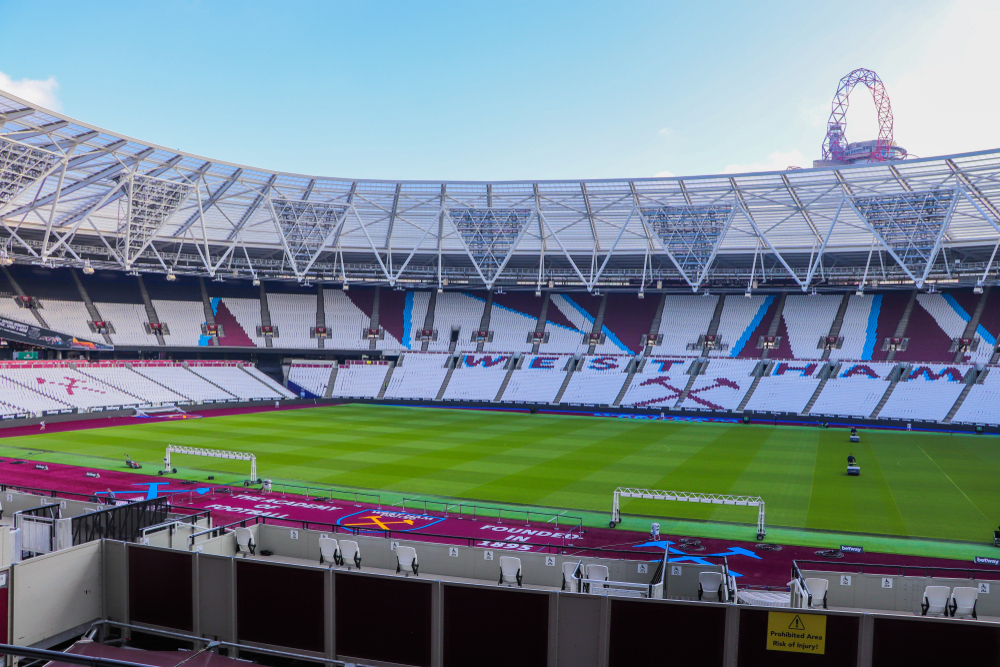
Thankfully, not every club is asking fans to break the bank. At the other end of the scale, West Ham United lead the way as the most affordable Premier League club, with their cheapest adult season ticket remaining at £345—about £18 per home game at the London Stadium. Despite criticism over individual matchday ticket prices, this freeze keeps long-term support within reach for many.
Burnley follow closely with a £352 ticket, also frozen from last year, while Manchester City—even after a rare trophyless season—maintain one of the most fan-friendly pricing structures among the “big six,” keeping their cheapest ticket at £425. For a club backed by vast financial power, that’s an encouraging stance toward their matchgoing supporters.
Newly promoted clubs Sunderland and Leeds United also remain among the more affordable, though both have introduced steep percentage hikes. Sunderland’s lowest ticket rose 11% to £490, and Leeds’ jumped 14% to £495. Even so, these remain below the league’s average, reflecting both clubs’ recognition of their historically loyal, working-class fanbases.
Brentford and Wolves have frozen their prices at £495 and £525 respectively, while Nottingham Forest’s continued rise—from relegation scrappers to European qualifiers—has brought a modest £25 increase, taking their cheapest ticket to £575.
Crystal Palace, buoyed by their first-ever FA Cup win, have raised prices by 10% to £600, while Brighton’s increase is a milder 3%, bringing their cheapest ticket to £610. However, Brighton’s inclusion of free public transport and commitment to sustainability continue to make them one of the league’s most value-driven clubs.
Price Hikes and Priorities
Looking across the board, 13 of the 20 Premier League clubs have raised their prices, some by double digits. The average cheapest season ticket now costs around £630, marking a significant increase over the past five seasons.
The reasons vary—stadium expansions, inflation, new ownership models, and increased commercial revenue expectations—but the end result is the same: fans are paying more to support teams that often make more money than ever before.
For example, Manchester United’s ticket rose by 5% to £608, even after one of their worst league seasons in history. The decision, combined with ongoing fan discontent about ownership and performances, underscores the tension between football as a business and football as a community.
Similarly, Everton’s price hike reflects an eagerness to monetise their new stadium rather than reward a fanbase that has endured years of struggle. Meanwhile, Arsenal, Chelsea, and Tottenham seem to be operating in a separate financial universe entirely, where price elasticity depends more on demand than empathy.
The Cost of Loyalty
Football has always been about passion, identity, and belonging—but it’s also increasingly about economics. With streaming subscriptions, travel, and matchday costs all rising, season tickets once considered affordable are now luxury items for many working families.
Clubs like West Ham, Burnley, and Manchester City deserve credit for freezing prices, but their efforts are exceptions in a league that continues to test the limits of fan patience. For many supporters, the Premier League’s financial might feels like a double-edged sword: while global success and world-class talent fill stadiums, the game’s local soul risks being priced out.
As the 2025/26 season kicks off, one truth remains—football may belong to everyone, but access to it increasingly depends on your bank balance. For now, loyalty still fills the stands. But unless clubs start showing that same loyalty back, the empty seats may soon start to tell their own story.
 PremierLeagueNow
Leave a comment