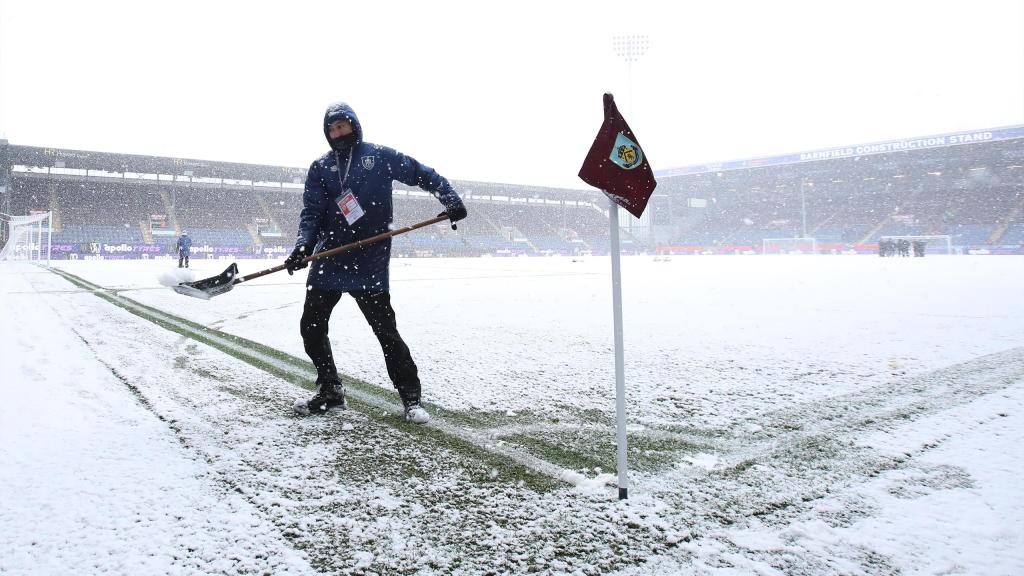
Football in England is often described as a game for all seasons. From the heat of August to the frost of January, Premier League matches push on, often under rain, wind, or biting cold. Yet even in the world’s most popular football league, the weather sometimes wins, forcing clubs to postpone or abandon games.
Across the Premier League’s history, severe conditions — snow, waterlogged pitches, frozen turf, or even extreme storms — have caused major disruptions. These moments reveal just how dependent football is on suitable conditions, modern technology, and flexible scheduling.
Why Weather Impacts Matches
At first glance, postponing a game may seem like an overreaction. But the decision to delay or abandon a Premier League fixture is taken very seriously, based on several key factors:
- Player Safety: Slippery, frozen, or waterlogged pitches increase the risk of injury. A bad tackle on a frozen surface can result in severe harm, and goalkeepers are particularly vulnerable to sliding injuries.
- Spectator Safety: Matches must be safe for fans entering stadiums, especially during heavy rain, snow, or storms. Ice-covered stands, flooded terraces, or strong winds can pose serious hazards.
- Pitch Integrity: Football is a skill game, and extreme weather can make surfaces unplayable, affecting the quality and fairness of the contest. Clubs invest heavily in pitch maintenance; even so, natural conditions sometimes prevail.
- Broadcasting Considerations: TV coverage requires safe camera positions, clear sightlines, and minimal disruption. Some matches have been delayed or postponed because extreme weather interfered with equipment or accessibility.
Historical Examples of Weather Disruptions
Over the years, Premier League games have been postponed or abandoned for various weather reasons:
- Snow and Ice: Before modern pitch-heating systems were commonplace, winter snowstorms often led to cancellations. For example, in the early 2000s, a string of matches in January was postponed due to heavy snow, affecting clubs like Leeds United, Sunderland, and Bolton Wanderers. Even today, snowfall in northern England occasionally forces last-minute postponements.
- Frozen Pitches: Freezing temperatures can make pitches dangerously hard. Clubs like Newcastle and Norwich have used under-soil heating to combat frost, but sudden cold snaps have still caused cancellations.
- Waterlogged Pitches: Torrential rain remains a common culprit. During the 2012–13 season, multiple fixtures were postponed after pitches became unplayable due to flooding, particularly at lower-capacity stadiums with less sophisticated drainage.
- Storms and High Winds: Extreme wind can damage stadium infrastructure, making games unsafe. In 2018, strong storms forced temporary evacuations at some Premier League grounds due to debris and fan safety concerns.
Modern Technology and Precautionary Measures
The Premier League and its clubs have invested heavily to mitigate weather disruptions:
- Under-Soil Heating: Most top-flight stadiums now have under-soil heating systems, which prevent pitches from freezing during cold snaps.
- Improved Drainage: Modern drainage technology allows fields to cope with heavy rainfall, reducing the risk of waterlogged surfaces.
- Weather Forecasting: Clubs and the league monitor forecasts meticulously, allowing pre-emptive action to protect players, fans, and broadcast commitments.
- Pitch Covers and Maintenance: Protective covers, specialized mowers, and aeration techniques help pitches recover quickly after adverse conditions.
Despite these measures, extreme weather can still overpower technology, proving nature remains a factor in English football.
Impact on Teams and Fans
Postponed or abandoned matches have a ripple effect beyond a single weekend:
- Fixture Congestion: Rescheduled matches create tighter schedules, increasing fatigue and injury risk for players. Clubs competing in European competitions or domestic cups are particularly affected.
- Tactical Disruption: Coaches often prepare weeks in advance for specific opponents. Postponements can upset training plans, player rotation, and momentum.
- Fan Inconvenience: Supporters may travel long distances for matches that are called off at the last minute, sometimes resulting in frustration and financial loss. Many clubs offer ticket exchanges or refunds, but the disruption is unavoidable.
- Broadcasting and Commercial Issues: TV schedules, sponsorship obligations, and live coverage are all affected by last-minute changes.
Notable Premier League Postponements
While rare, several high-profile incidents highlight the challenges:
- In January 2010, heavy snow led to the postponement of multiple matches across the league, including a fixture between Manchester United and Sunderland.
- During the 2012–13 winter, severe rainfall forced postponements at lower-capacity stadiums, notably affecting mid-table clubs with older drainage systems.
- In December 2020, strong winds and heavy rain caused last-minute delays at several grounds, including Newcastle’s St James’ Park. Safety concerns, particularly regarding fans entering and exiting the stadium, were paramount.
These events demonstrate that despite improved technology, the Premier League is not immune to nature’s unpredictability.
The Role of Officials and Safety Protocols
Referees, club staff, and league officials play a critical role in making the final call. Decisions are based on multiple factors, including player safety, pitch condition, and fan access. While postponements are rare and often frustrating, they are made to protect all involved.
Once a match is postponed, league schedulers work quickly to identify suitable rescheduling dates, often prioritising midweek slots or combining adjustments with other competitions. Communication with fans, media, and broadcasters is a crucial part of the process.
Conclusion
Weather disruptions may not grab the headlines in the same way as a last-minute goal or a title race, but they remain a fascinating and important aspect of Premier League football. From snow-covered pitches to stormy evenings, these moments highlight the challenges of running a league in a country famed for its unpredictable climate.
As technology improves — with under-soil heating, advanced drainage, and predictive analytics — the number of postponed or abandoned matches may continue to fall. Yet, as every football fan knows, in England, the weather always has the final say. Even in the Premier League, the elements can strike, reminding us that football, for all its glamour and precision, is still at nature’s mercy.
 PremierLeagueNow
Leave a comment