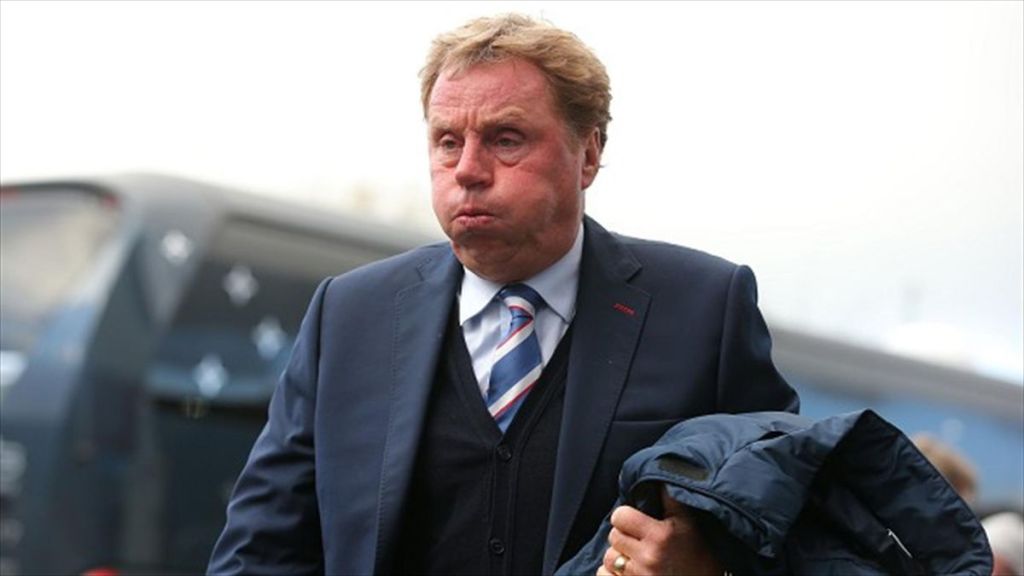
Harry Redknapp’s journey through the Premier League is one of the most colorful and captivating stories in English football. Known for his charismatic personality, sharp wit, and tactical acumen, Redknapp carved out a reputation as one of the most experienced and successful managers of his generation. Over the course of his Premier League career, he achieved considerable success, earning praise for his ability to revive struggling teams and guide them to greater heights. But it was his knack for transforming fortunes, his flair for the dramatic, and his engaging leadership that made him a beloved figure in English football.
The Early Years: Building a Reputation
Redknapp’s Premier League journey began in the 1990s, but it wasn’t until 1992 that he truly made his mark on the top flight. Having spent time as a player with clubs like West Ham United and Bournemouth, Redknapp started his managerial career at Bournemouth, a club he would go on to manage in two separate stints. It was at West Ham United, however, where Redknapp’s reputation began to grow.
He took charge of West Ham in 1994, succeeding Billy Bonds, and quickly implemented a blend of attacking football and youth development. Redknapp inherited a club that had a strong tradition of producing talented young players, and he helped bring through stars like Frank Lampard, Joe Cole, and Jermain Defoe. The Hammers showed promise under his stewardship, with the team finishing consistently in the mid-to-upper part of the Premier League table.
While West Ham didn’t win major silverware under Redknapp, his work in developing young talent laid the foundation for the club’s future success. His relationship with the club’s fanbase, however, was always a bit volatile. After a rocky spell in the early 2000s, Redknapp left West Ham in 2001, but it would not be long before he would return to the Premier League with another project. He took the Director of Football role at Portsmouth before being appointed as manager and gaining promotion, he kept Portsmouth in the league in the 03-04 season but left midway through the 04-05 season after a dispute with the owner.
Southampton and the South Coast Controversy
He controversially went to Southampton in 2004, Portsmouth’s biggest rivals. The Saints had just narrowly avoided relegation from the Premier League, and the club was in need of a revitalization. This didn’t go to plan and the club was relegated for the first time in 27 years. Redknapp remained in charge for the start of the Championship season but things weren’t well behind the scenes.
He returned, somewhat controversially, to Portsmouth in 2005, resulting in him getting death threats.
Portsmouth: The Highs and Lows of a Rollercoaster Ride
Redknapp’s second spell at Portsmouth is perhaps where he made his biggest impact in the Premier League. Taking over a team that was battling relegation, Redknapp worked his magic in the transfer market and began building a competitive squad. He quickly became synonymous with the club, and his relationship with the fans was one of the most unique in Premier League history.
Redknapp transformed Portsmouth from relegation battlers to an established Premier League side. The team finished in the top half of the table and regularly flirted with European spots. His shrewd signings played a huge role in this success. Players like Niko Kranjčar, Jermain Defoe, Younès Kaboul, and David James helped turn Portsmouth into a well-rounded team, with the ability to compete against some of the Premier League’s biggest clubs.
But the pinnacle of Redknapp’s time at Portsmouth came in 2008, when the club won the FA Cup—their first major trophy since 1939. This triumph was one of Redknapp’s crowning achievements, as Portsmouth defeated Cardiff City 1-0 in the final at Wembley. The victory was a testament to Redknapp’s ability to get the best out of his squad in high-pressure situations, and it earned him widespread acclaim across the country.
However, despite his success, Redknapp’s tenure at Portsmouth was not without its challenges. Financial troubles and the instability that often comes with ownership changes led to Redknapp’s departure from the club in 2008, only for him to return later to help Portsmouth navigate a difficult period in the Premier League.
Tottenham Hotspur: The Peak of Redknapp’s Premier League Career
In 2008, Redknapp was appointed manager of Tottenham Hotspur, marking the beginning of what would be the most high-profile phase of his managerial career. At the time, Spurs were struggling near the bottom of the Premier League table, but Redknapp’s arrival changed the course of the club’s fortunes almost immediately.
Under Redknapp, Spurs moved from relegation candidates to genuine contenders for European football. He brought stability to a team that had been lacking direction, and his experience in the Premier League proved invaluable. One of his key successes was guiding Tottenham to the Champions League for the first time in the club’s history in 2010. Finishing 4th in the Premier League, Spurs qualified for the prestigious European competition, where they had a memorable run to the quarterfinals in 2011.
Redknapp’s tactical approach at Spurs was a mix of direct football, solid defensive organization, and attacking flair. He was known for getting the best out of Gareth Bale, who evolved from a left-back into one of the most feared wingers in Europe. Bale’s incredible performances helped elevate Spurs’ status on the European stage. Redknapp’s Spurs also boasted the likes of Luka Modrić, Rafael van der Vaart, and Jermain Defoe, who formed the spine of a team that played some of the most exciting football in the Premier League.
Despite the on-field success, Redknapp’s time at Tottenham was marred by uncertainty over his future and constant speculation about his potential appointment as England manager, a role he never secured. Redknapp left Spurs in 2012 after a turbulent final season, and although his tenure was ultimately considered a success, it ended with a sense of what might have been, especially after missing out on the Champions League qualification in the final stages of the 2011-12 season. He then joined QPR, but was unable to stop their slide into the Championship, however, they bounced back at the first time of asking and he left them as a Premier League club in February 2015.
Redknapp’s Impact: Legacy of an Entertainer and Survivor
Harry Redknapp’s legacy in the Premier League is that of a manager who excelled at reviving struggling teams and making them competitive. His career spanned decades, and his ability to adapt to the changing landscape of football meant that he was always in demand. Though his managerial career was defined more by the highs of comebacks and survival than by league titles, he remained a beloved figure for his ability to bring excitement, unpredictability, and above all, drama to the Premier League.
Redknapp had an eye for a bargain in the transfer market and a knack for fostering strong relationships with his players. He was known for his laid-back style, witty one-liners, and the undeniable charisma that made him a favorite with fans and pundits alike. Whether guiding West Ham, Portsmouth, or Tottenham to new heights, Redknapp’s Premier League career stands as a testament to his resilience and his ability to navigate the complexities of the modern game.
While he may not have won the Premier League title, his impact on the clubs he managed was lasting. From building Portsmouth into FA Cup winners to taking Spurs to the Champions League, Harry Redknapp’s Premier League career was defined by his ability to overcome adversity and deliver memorable moments.
 PremierLeagueNow
Leave a comment