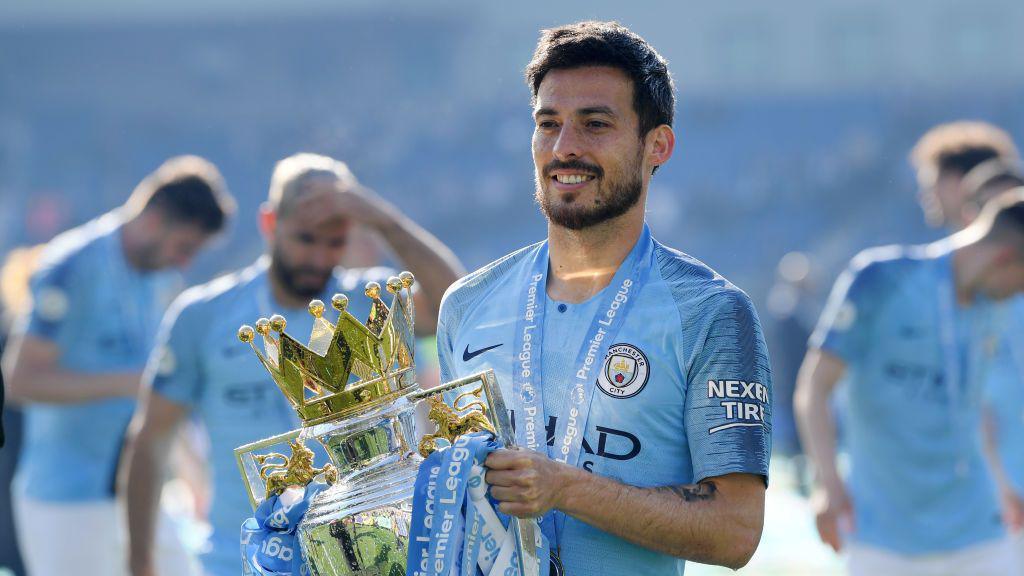
The story of Manchester City is one of the most dramatic transformations in Premier League history. From a club long associated with underachievement, financial instability, and life outside the top flight, City became—almost overnight—a global football powerhouse following the 2008 Abu Dhabi United Group takeover. The shift reshaped not only the club’s fortunes but also the wider landscape of English football. To appreciate the scale of City’s rise, it’s essential to understand where the club came from and how drastically things changed.
Life Before the Takeover: A Yo-Yo Club Searching for Identity
Before 2008, Manchester City’s history was defined by inconsistency and unpredictability. The club had enjoyed pockets of success in earlier decades—most notably under Joe Mercer and Malcolm Allison in the late 1960s and early ’70s—but by the Premier League era, City found themselves drifting between divisions and battling for stability.
1990s: Financial Struggles and Relegation Woes
The 1990s were particularly turbulent. Mismanagement behind the scenes and instability in the dugout led to a decline that culminated in relegation from the Premier League in 1996. Things worsened before they got better: City dropped into the third tier of English football in 1998, a stunning fall for a club with a large fanbase and rich heritage.
Yet this period also produced one of the club’s most memorable moments. In 1999, City achieved promotion from the Second Division via the famous playoff final against Gillingham, rescuing the match with two goals in stoppage time before winning on penalties. It became symbolic of the club’s chaotic resilience.
Early 2000s: Stabilising but Unspectacular
Throughout the early 2000s, City returned to the Premier League but rarely threatened the top end of the table. The move from Maine Road to the City of Manchester Stadium in 2003 gave the club a modern home, yet on the pitch, results remained inconsistent.
The 2007 purchase by former Thai prime minister Thaksin Shinawatra initially brought optimism. Sven-Göran Eriksson guided the club to a respectable 9th-place finish in 2007–08, but the ownership lacked long-term financial solidity. The club remained vulnerable, and any ambitions of joining the league’s elite felt distant.
City were, at this point, a club with passionate supporters and historic roots, but they lacked infrastructure, financial muscle, and top-tier talent. They were a mid-table side hoping for stability, not a global force.
2008: The Takeover That Changed Everything
On September 1, 2008, everything changed. The Abu Dhabi United Group, led by Sheikh Mansour bin Zayed Al Nahyan, completed the purchase of the club. From that moment onward, Manchester City entered a new era—one defined by vast resources, strategic vision, and long-term planning.
The takeover immediately sent shockwaves through football. Within hours of the deal, City broke the British transfer record to sign Robinho from Real Madrid, signalling their intent to compete with Europe’s biggest clubs.
This was only the beginning.
Building the Foundation: Investment, Recruitment, and Strategy
Unlike previous ownership models focused on quick fixes, City’s new structure prioritised building a sustainable, modern football institution.
World-Class Signings
City began strengthening the squad with players who had both star power and Premier League pedigree. Key early additions included:
- Vincent Kompany
- Nigel de Jong
- Yaya Touré
- David Silva
- Carlos Tevez
- Sergio Agüero
These players didn’t just improve the team; they redefined what Manchester City could be.
Modern Infrastructure
Beyond player signings, the takeover sparked massive investment in:
- State-of-the-art training facilities at the Etihad Campus
- Enhanced youth development structures
- Global satellite clubs through the City Football Group
City aimed to build a football ecosystem, not just a winning team.
Managerial Evolution
The club cycled through managers in search of the right identity. Roberto Mancini’s appointment proved transformative. His tactical discipline and winning mentality delivered City’s first modern trophy—the 2011 FA Cup—ending a 35-year drought.
One year later came the moment that symbolised the new era: the dramatic 2011–12 Premier League title, sealed by Sergio Agüero’s legendary stoppage-time goal against QPR. It was not only a triumph but a statement that City had arrived among English football’s elite.
Sustained Success: City’s New Era Takes Shape
After Mancini, Manuel Pellegrini brought attacking flair and another league title in 2013–14. But the most significant shift came with the arrival of Pep Guardiola in 2016.
Guardiola’s philosophy transformed the club’s playing style into one of the most sophisticated systems in Premier League history. Under his guidance, City delivered record-breaking seasons, including the 100-point campaign in 2017–18. The club became synonymous with fluid passing, positional intelligence, and relentless dominance.
City’s rise under the new ownership wasn’t just about spending—it was about building a coherent project. They combined financial power with smart recruitment, youth development, elite coaching, and a long-term plan.
The Legacy of the Takeover
By the mid-2010s, Manchester City had undergone a complete transformation:
Before 2008:
- Frequent relegations and promotions
- Limited financial resources
- Sporadic success
- Little influence in European football
- Modest recruitment and infrastructure
After 2008:
- Multiple Premier League titles
- Global brand recognition
- Premier training facilities and youth academy
- Sustained Champions League campaigns
- Attraction of world-class players and managers
City’s journey from a struggling, inconsistent club to a modern football giant is one of the sport’s most remarkable evolutions.
Conclusion
The 2008 takeover didn’t just rescue Manchester City; it reshaped their identity, ambition, and trajectory. What was once a yo-yo club became a symbol of modern football’s possibilities—powered by investment, vision, and a commitment to excellence.
City’s transformation stands as one of the defining stories of the Premier League era, illustrating how quickly fortunes can change when a club with deep roots finally receives the tools to fulfil its potential.
 PremierLeagueNow
Leave a comment