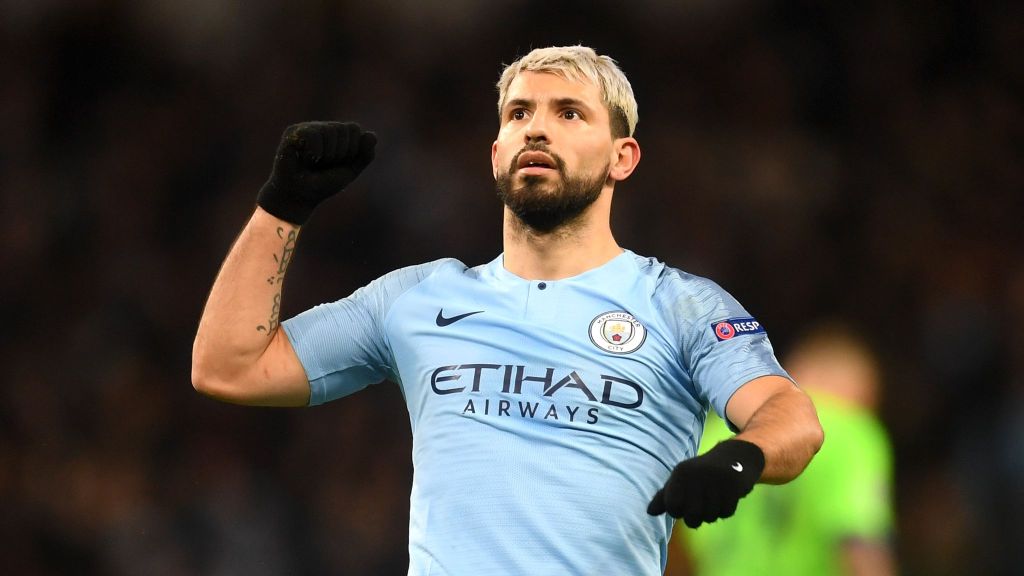
The Premier League has been home to some of the most electrifying goal scorers in football history. From traditional number nines to versatile forwards capable of creating as well as finishing, each era of the league has produced its own iconic strikers—players who dominated defences, thrilled crowds, and defined the style of attacking football for their generation. To understand how Premier League striking talent has evolved, we can break it down by era, examining the forwards who became true legends of their time.
1990s: The Classic No. 9s
In the Premier League’s early years, the game was direct, physical, and full of traditional strike partnerships. As a result, the 1990s were dominated by powerful centre-forwards who thrived on crosses, knockdowns, and relentless work rate.
Alan Shearer – The Benchmark
No striker embodies the early Premier League era more than Alan Shearer. Strong, fearless, and devastatingly consistent, Shearer was the ultimate English number nine. He fired Blackburn Rovers to the 1994–95 title before becoming a hero at Newcastle United. With his record 260 Premier League goals, Shearer set a standard that still hasn’t been matched.
Eric Cantona – The Catalyst
While not a striker in the classic mould, Eric Cantona’s influence on Manchester United—and the league as a whole—was immense. His charisma, creativity, and clinical finishing helped United dominate the decade. Cantona was the first great foreign forward of the Premier League, showing England what a flair-driven, technically gifted attacker could achieve.
Andy Cole – The Relentless Finisher
Cole’s pace and intelligent movement made him one of the most dangerous forwards of the decade. His prolific spells at Newcastle and then Manchester United produced over 180 Premier League goals, placing him among the most reliable scorers of his time.
Robbie Fowler – The Natural
Nicknamed “God” by Liverpool fans, Fowler’s left foot was one of the deadliest weapons of the 1990s. His instinctive finishing made him a standout talent who could score every type of goal—from poacher’s tap-ins to long-distance rockets.
The 1990s were defined by power, directness, and traditional strike duos—but the next decade would reshape the position entirely.
2000s: The Rise of the Complete Forward
As tactics evolved and foreign influence grew, Premier League strikers became more well-rounded. The 2000s saw forwards who combined pace, strength, technique, and intelligence—players who didn’t just finish moves, but created them.
Thierry Henry – The Premier League’s Greatest All-Rounder
Thierry Henry redefined what a Premier League striker could be. Playing from the left or centrally, Henry’s blend of speed, finesse, and vision made him nearly unstoppable. He won four Golden Boots and was the attacking heartbeat of Arsenal’s Invincibles. To many fans and pundits, Henry remains the greatest striker the league has ever seen.
Wayne Rooney – The Modern Warrior
Rooney broke into the league as a teenager and became one of its defining stars. He could score spectacular goals, press relentlessly, drop deep to create play, and adapt to any system. His versatility made him more than just a striker—but his scoring record puts him firmly among the greats.
Didier Drogba – The Big-Game Destroyer
Chelsea’s Didier Drogba was one of the most physically dominant forwards in Premier League history. Strong, technically gifted, and fearless in the biggest moments, Drogba’s impact was felt far beyond his goal tally. His performances in crucial matches—especially cup finals—cemented his legacy as one of the most clutch players the league has seen.
Ruud van Nistelrooy – Pure Clinical Excellence
No striker of the 2000s was as ruthlessly efficient as van Nistelrooy. Inside the box, he was almost automatic. His ability to find space and finish under pressure made him a goal-scoring machine for Manchester United.
These forwards marked a shift toward more technical, complete strikers capable of dominating games on their own.
2010s: The Era of the Modern, Multi-Dimensional Forward
By the 2010s, Premier League strikers had evolved into multi-functional players—pressing from the front, linking play, stretching defences, and thriving in fluid attacking systems.
Sergio Agüero – The Ice-Cold Assassin
Sergio Agüero was the model of consistency. Lethal with either foot, strong despite his size, and brilliant at finding pockets of space, Agüero became Manchester City’s all-time top scorer and produced some of the league’s most iconic moments—none bigger than his 2012 title-winning strike.
Harry Kane – The English Complete Forward
Harry Kane emerged as the perfect modern striker: intelligent in his movement, two-footed, capable of dropping deep to orchestrate play, and clinical in front of goal. His combination of creativity and finishing made him one of the most complete forwards in Premier League history.
Luis Suárez – Chaos and Genius
In terms of single-season brilliance, few have reached the heights of Luis Suárez’s spell at Liverpool. His 2013–14 campaign remains one of the greatest individual seasons ever produced by a Premier League striker. Suárez brought relentless energy, audacity, and unpredictability—scoring all types of goals with remarkable creativity.
Robin van Persie – Elegant Devastation
Van Persie’s technical quality and left-footed precision were unmatched. His final Arsenal season and first at Manchester United were masterclasses in clinical finishing and intelligent movement.
The 2010s made clear that the best Premier League strikers were no longer just scorers—they were playmakers, pressers, and system leaders.
Conclusion: A Legacy of Evolving Excellence
From Shearer’s raw power to Henry’s elegance, Drogba’s dominance, and Agüero’s precision, the Premier League’s greatest strikers reflect the league’s evolution itself. Each era produced forwards who redefined what was possible: from traditional number nines to complete attacking weapons.
The Premier League’s history is richer for these players—icons whose goals, moments, and influence will continue to shape how fans define greatness for generations to come.
 PremierLeagueNow
Leave a comment