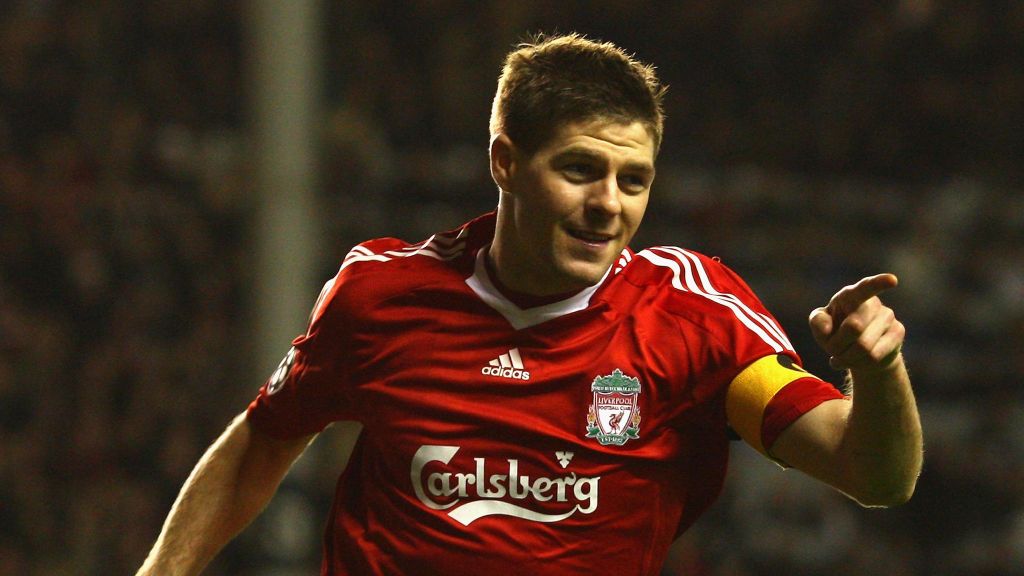
The Premier League has always been a stage for exceptional talent, but its true heartbeat has often come from the players wearing the armband. Captains are more than just skilled footballers—they’re motivators, organizers, warriors, and, at times, the glue holding a team together. Throughout Premier League history, some leaders have elevated not just their own performances but the standards of entire clubs. Here’s a look at the best captains to ever grace the league and why their influence continues to shape how we view leadership today.
Roy Keane — Manchester United
Few captains embody intensity like Roy Keane. Manchester United’s dominance under Sir Alex Ferguson owed much to Keane’s iron will and unrivaled demand for excellence. He wasn’t just a tough tackler; he was the driving force behind a dressing room full of superstars. Keane pushed teammates to their limits, often dragging United through difficult matches with sheer force of personality.
His performance in the 1999 Champions League semi-final (despite knowing he’d miss the final) is often cited as one of the greatest examples of leadership in football. In the Premier League, his presence alone elevated United’s standards and set the tone for their title-winning mentality. Keane didn’t just lead—he compelled those around him to believe.
Patrick Vieira — Arsenal
As captain of Arsène Wenger’s Arsenal, Patrick Vieira was the cornerstone of one of the most technically gifted and tactically revolutionary teams in English football. His leadership style differed from Keane’s; Vieira led with grace, control, and unshakeable confidence. He was a midfield general who could win the ball, impose physicality, and glide forward to orchestrate attacks.
Under Vieira’s captaincy, Arsenal achieved the historic Invincibles season in 2003–04, becoming the only team to complete a Premier League campaign unbeaten. His leadership in maintaining focus, discipline, and belief remains one of the most impressive feats by any captain. Vieira represented a perfect blend of athleticism, intelligence, and authority.
Steven Gerrard — Liverpool
Although Gerrard never lifted the Premier League trophy, his status as one of the greatest captains in league history is unquestionable. His leadership transcended silverware. Gerrard was Liverpool’s heartbeat for over a decade—an extraordinary mix of passion, grit, and world-class ability.
He led by example, producing iconic moments when his team needed him most: long-range strikes, last-minute goals, and performances that carried Liverpool through seemingly impossible situations. His leadership during the 2013–14 title push, while ultimately falling short, was a testament to how much he meant to the club. Gerrard’s influence is measured not just in trophies, but in loyalty and legacy.
John Terry — Chelsea
John Terry stands tall among the most successful captains in Premier League history. Commanding in defense and uncompromising in drive, Terry’s leadership was foundational to Chelsea’s rise as a dominant force from the mid-2000s onward. He lifted five Premier League titles and helped create a fearsome defensive unit under José Mourinho and subsequent managers.
Terry was the traditional English centre-back—strong aerially, fearless, and tactically disciplined—but his organizational skills set him apart. He coordinated the back line with precision, often coaching teammates through matches in real time. Under his captaincy, Chelsea became known for their mentality as much as their quality.
Alan Shearer — Newcastle United
The Premier League’s all-time top scorer was also a remarkable captain. Alan Shearer carried the responsibility of being Newcastle’s talisman and emotional leader, especially during periods when the club lacked stability. His charisma, loyalty to his hometown club, and commitment to excellence earned him legendary status.
Shearer led not with fiery speeches but with his performances: relentless goalscoring, intelligent movement, and a willingness to play through pain for the badge. Though silverware eluded him at Newcastle, his ability to lift the team and inspire fans still resonates powerfully today.
Vincent Kompany — Manchester City
Vincent Kompany was the anchor of Manchester City’s modern era of success. Charismatic, intelligent, and imposing, he defined leadership in the Premier League’s new financial and tactical era. Simply put, City’s rise would not have been the same without him.
Kompany brought stability during periods of transition and led the team to four Premier League titles. His thunderous long-range goal against Leicester in 2019 remains one of the league’s most iconic “captain’s moments,” effectively securing the title. Kompany’s leadership was modern, thoughtful, and deeply respected by teammates and rivals alike.
Jordan Henderson — Liverpool
Replacing Steven Gerrard seemed impossible, but Jordan Henderson carved his own legacy. Henderson grew from an underappreciated workhorse into a transformative leader, guiding Liverpool to Champions League and Premier League glory.
His leadership style is rooted in energy, positivity, and tactical discipline. Henderson sets the tempo, encourages younger players, and represents the club with dignity. The Premier League triumph in 2020—Liverpool’s first in 30 years—cemented his status as a top-tier modern captain.
What Makes a Premier League Captain Truly Great?
The best captains share certain qualities: resilience, consistency, and the ability to inspire in the toughest moments. But each brings something unique. Keane’s fire, Vieira’s elegance, Gerrard’s devotion, Terry’s organization, Shearer’s loyalty, Kompany’s intelligence, and Henderson’s determination all reflect different shades of leadership.
The Premier League continues to evolve, but these captains remain timeless examples of what it means to lead. Their legacies aren’t defined solely by titles—they’re defined by influence, identity, and the enduring stories they left behind.
 PremierLeagueNow
Leave a comment