
The Premier League isn’t just the most watched domestic football competition—it’s also one of the most powerful financial engines in global sport. The league’s clubs, from Manchester City to Luton Town, operate in a unique ecosystem where global audiences, commercial partnerships, and competitive balance create a thriving business model. But how, exactly, do Premier League clubs make money?
Whether you’re a football fan or a business enthusiast, understanding the financial structure behind the league offers fascinating insight into what keeps the world’s most popular league running.
1. Broadcasting Revenue – The Biggest Financial Lifeline
Broadcasting is, by a distance, the largest source of income for Premier League clubs. The league’s TV rights are split into two categories: domestic (UK) rights and international rights.
Domestic rights include deals with Sky Sports, TNT Sports, and the BBC. International rights, however, are where the Premier League truly dominates. With matches aired in over 180 countries, the league earns billions from global networks that want access to its product.
How the money is distributed:
- 50% shared equally among all 20 clubs
- 25% based on how many matches are broadcast
- 25% based on league position
This means that even the team finishing last earns more broadcast revenue than many Champions League-level clubs in other countries. It’s a huge reason why Premier League clubs attract top players and managers, and why newly promoted sides can afford expensive signings.
2. Matchday Revenue – Tickets, Hospitality, and Stadium Experience
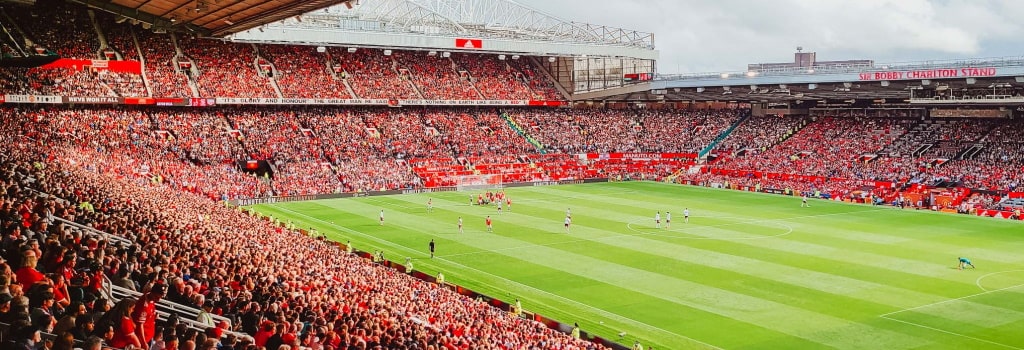


Matchday revenue includes everything generated when fans walk into the stadium:
- Ticket sales
- Season tickets
- Hospitality boxes
- VIP lounges
- Merch sold on matchday
- Food and drink sales
For clubs with large stadiums—Manchester United, Arsenal, Tottenham—matchday income is a major financial pillar. Tottenham Hotspur, for example, have built one of the most advanced stadiums in world sports, designed not only for football but also NFL games and concerts.
However, matchday revenue varies massively. Smaller stadiums equal smaller matchday income, which is why some clubs push for expansions or new builds.
3. Commercial Revenue – Sponsorships, Merchandising, and Global Branding
Commercial income has exploded over the last decade. Premier League clubs are global brands, and companies are willing to invest heavily to be associated with them.
Sources of commercial revenue include:
- Shirt sponsorships
- Kit manufacturing deals
- Sleeve sponsors
- Training ground sponsorships
- Regional commercial partnerships
- Digital and social media collaborations
- Global tours and preseason friendlies
Manchester United have historically led the way with enormous commercial deals, but clubs like Chelsea, Manchester City, and Liverpool have built powerful global footprints. Even mid-table clubs increasingly sign regional sponsorship deals in Asia, the Middle East, Africa, and the U.S., capitalizing on worldwide fanbases.
Merchandising also plays a huge role. Replica kits, training gear, and accessories generate millions, especially for clubs with global followings.
4. Player Trading – Buying Low, Selling High
While often unpredictable, player trading can be one of the most impactful revenue streams.
Some clubs build entire business models around developing talent and selling for profit. Brighton, Southampton, and Brentford are excellent examples. Their recruitment strategies focus on finding undervalued players, developing them, and selling them for substantial gains.
Examples:
- Brighton buying Moisés Caicedo for under £5m and selling him for £115m
- Southampton selling players like Van Dijk, Mané, and Lallana
- Chelsea’s Cobham academy producing saleable talent year after year
Player trading isn’t guaranteed income, but smart clubs treat it as a strategic part of financial planning. It also helps clubs comply with Financial Fair Play (FFP) regulations.
5. Prize Money – The More You Win, the More You Earn
The Premier League offers significant prize money based on final league position.
The team finishing 20th still earns tens of millions, but each place higher earns additional funds. Winning the title comes with a massive payout, but even finishing in the top four triggers another financial boost: Champions League qualification.
European competitions offer additional revenue:
- Champions League participation
- Europa League prize money
- Europa Conference League payouts
Reaching later stages in Europe can be worth tens of millions, making continental competitions highly lucrative.
6. Parachute Payments – Safety Nets for Relegated Clubs
When a club drops out of the Premier League, the financial impact can be devastating. To prevent clubs from collapsing, the league offers parachute payments, spread over three years, to help ease the transition.
This system:
- Helps clubs retain key players
- Softens the revenue drop
- Gives newly relegated teams a competitive advantage in the Championship
While controversial, parachute payments help maintain financial stability and encourage responsible spending.
7. Ownership Investment – Money From the Top
Some clubs receive financial support directly from owners. These injections can fund transfers, stadium improvements, or wage bills. While not technically revenue, owner investment plays a crucial role in modern football.
Manchester City and Newcastle have benefited from strategic ownership models tied to global football networks. Chelsea’s previous ownership regime under Roman Abramovich also invested heavily.
However, FFP and sustainability rules are increasingly limiting how much owners can spend without corresponding revenue growth.
Final Thoughts: A Financial Powerhouse Built on Global Appeal
Premier League clubs generate money through a combination of massive broadcasting deals, global commercial partnerships, matchday income, strategic player trading, and prize money. Combined with careful ownership investment and long-term planning, these revenue streams create a financially dominant league unmatched anywhere in the world.
The Premier League isn’t just a football competition—it’s an entertainment product, a global brand, and a multi-billion-pound industry. Understanding how clubs make money reveals why it continues to attract star players, elite managers, and millions of fans every season.
 PremierLeagueNow
Leave a comment