Few football arguments ignite more passion than the question of which London club truly stands above the rest. London is the undisputed capital of English football—home to more Premier League teams than any other city, a place where rivalries overlap, histories collide and bragging rights matter almost as much as trophies.
But ask any fan who the biggest club in London is, and you’ll get a different answer—often loudly, always passionately, occasionally backed by facts.
So, who is the biggest Premier League club in London? Let’s explore the cases for the three giants most commonly thrown into the debate: Arsenal, Chelsea and Tottenham Hotspur.
The Case for Arsenal: History, Heritage and Unmatched Longevity
For many, Arsenal remain the definitive “biggest club in London” because of their history. Founded in 1886, they were the first London side to truly dominate English football. Their credentials are hard to dispute:
🏆 Trophy Cabinet
- 13 league titles — more than any London club
- 14 FA Cups — a competition record
- The Invincibles — the only team in modern English football to go an entire Premier League season unbeaten
Arsenal’s success under Herbert Chapman, George Graham and Arsène Wenger has created a footballing legacy few clubs can match. Even during their leaner years, the Gunners remained consistent Premier League finishers, constant Champions League qualifiers and one of the world’s most recognisable football brands.
📈 Stability and Support
Arsenal have sold out every home league match since 1999. The Emirates, with a 60,000 capacity, is one of the largest and most modern stadiums in the country. Their global fanbase—particularly strong in Africa and Asia—has remained loyal through decades of highs and lows.
⚽ The Verdict on Arsenal
If the debate is about history, achievements and longevity, Arsenal have the strongest claim. They’ve been the most consistently successful London club over the longest period.
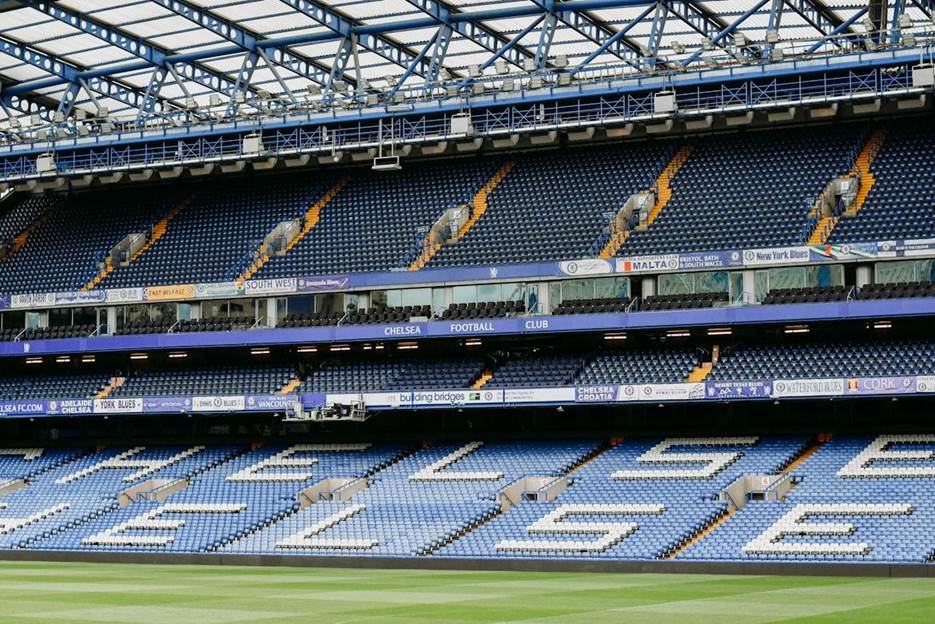
The Case for Chelsea: Modern Dominance and Global Status
Chelsea’s argument is one built not on longevity but on recent dominance. Since Roman Abramovich’s takeover in 2003, the club has become one of the biggest powerhouses in European football.
🏆 Modern Era Success
- 6 Premier League titles (all since 2005)
- 2 Champions Leagues
- 2 Europa Leagues
- Multiple domestic cups
No London club can match Chelsea’s trophy haul in the 21st century. Their rise has been meteoric, and their ability to attract superstar players—from Drogba and Lampard to Hazard and now Enzo Fernández—has cemented their elite status.
🌍 Global Brand and Financial Muscle
Chelsea’s recent success has transformed them into a global club:
- Huge commercial revenues
- Worldwide fanbases
- Major appeal to sponsors (even if recent deal negotiations have been complicated)
- One of the strongest academies in English football
Their international reach, particularly after two Champions League triumphs, arguably surpasses Arsenal’s among younger global fans.
⚽ The Verdict on Chelsea
If the debate focuses on the last 20 years, Chelsea win comfortably. They are the most successful London club of the Premier League era and the only London club with multiple Champions League titles.
The Case for Tottenham: Growth, Potential and a Modern Superclub Infrastructure
Tottenham’s claim is different. They don’t have the historical dominance of Arsenal or the trophy count of Chelsea—but they may have built the infrastructure of a future superclub.
🏟 A Stadium That Changes Everything
The Tottenham Hotspur Stadium isn’t just a football ground—it’s a multi-purpose, state-of-the-art venue generating more revenue than almost any stadium in the world. Hosting NFL games, concerts and boxing events, Spurs have positioned themselves as a commercial powerhouse.
This financial advantage turns into:
- Higher matchday revenue than Arsenal
- Strong commercial deals
- Long-term competitiveness
📈 On-Pitch Progress
Although their trophy haul remains modest, Spurs have:
- Reached a Champions League final (2019)
- Qualified regularly for the Champions League over the last decade
- Produced world-class players like Harry Kane and Son Heung-min
- Built a reputation for developing talent and playing progressive football
🌍 Global Fan Appeal
Tottenham’s global brand has exploded in recent years, helped massively by:
- Son Heung-min’s popularity in Asia
- Their attractive style of play
- Their futuristic stadium
- Their growing digital presence
⚽ The Verdict on Spurs
Spurs may not currently be the biggest club in London, but they are arguably the best positioned for the next 20 years.
So, Who Is the Biggest? It Depends on Your Criteria
This is why the debate never ends—because the answer changes depending on what you value.
🏆 If it’s trophies and legacy → Arsenal
No London club has a deeper history or more league titles.
🌍 If it’s modern success and global power → Chelsea
Their Champions League triumphs and Premier League dominance speak for themselves.
💰 If it’s infrastructure, future potential and revenue → Tottenham
Their stadium and financial model could redefine the club’s long-term position.
The Real Answer? London Has Three Giants
The truth is that London is unique in having three clubs who can all claim to be the biggest, depending on the argument. That’s what fuels the rivalry. That’s why the debates go viral. That’s why derbies feel like finals.
Arsenal have the history.
Chelsea have the modern-era success.
Tottenham have the future-proof infrastructure.
London football isn’t defined by one club—it’s defined by the competition between them.
And that’s exactly why the question will never be settled.
 PremierLeagueNow
Leave a comment