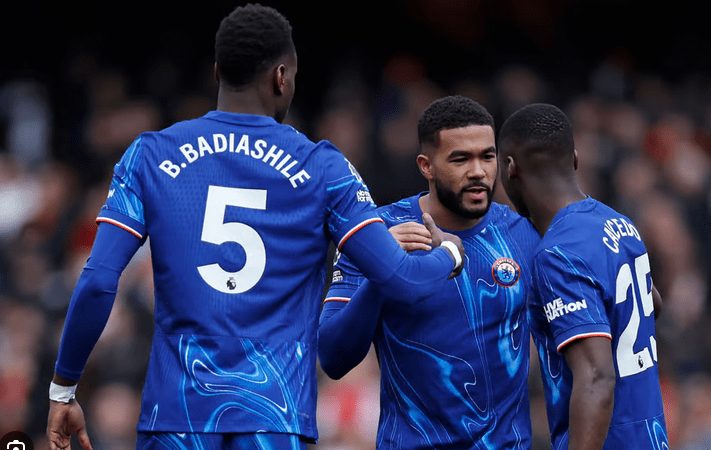
The 2025–26 Premier League season has kicked off with Chelsea standing out—not for a new signing or a tactical revolution, but for something far more visible. The Blues are the only club in the league without a front-of-shirt sponsor, after Nottingham Forest completed their deal with US gambling giant Bally’s.
For a club of Chelsea’s stature, operating without a sponsor is unusual. But it’s not unprecedented. In fact, this is the third season in a row in which the London club has begun a campaign with a blank front-of-shirt. So what’s going on? Why is one of England’s biggest football brands struggling—or choosing—to wait? And what does it mean for the future of sponsorship in the Premier League?
Here’s the full story.
A Strategic Pause, Not a Lack of Interest
Despite how it might look, Chelsea haven’t gone sponsor-less because of a lack of offers. According to club sources, there is an active and competitive process underway to secure their next long-term partner.
The key word there: long-term. Chelsea’s owners, the Clearlake-Boehly consortium, are seeking a deal worth £60–65 million per season, reflecting both their revived on-pitch success and their growing global footprint. After qualifying for the Champions League and winning the revamped FIFA Club World Cup, Chelsea believe their brand value is rising—and they want a partner who can match that trajectory.
It’s understood that several companies have approached the club, but Chelsea are being highly selective. They want a sponsor whose image complements their own long-term ambitions. Rushing into a short-term fix doesn’t fit the strategy.
This careful approach is why Chelsea have found themselves in familiar territory: high-profile kit, no high-profile sponsor.
Riyadh Air: The Leading Candidate?
One name has consistently emerged in recent months: Riyadh Air, Saudi Arabia’s new national airline. The carrier has been investing heavily in global branding opportunities as it prepares for launch, and a Chelsea partnership would instantly place it on millions of screens around the world.
While nothing is confirmed, negotiations are believed to be active and serious. If completed, the deal would likely place Chelsea among the top commercial earners in world football.
But the club insists it will only commit when it finds the right partner—financially, culturally and strategically.
This Isn’t New for Chelsea
Chelsea fans are getting used to blank shirts.
- 2023–24 season: They started without a sponsor before eventually agreeing a £40m+ deal with US tech company Infinite Athlete.
- 2024–25 season: Sponsorless until late April, when Dubai-based property brand Damac signed a short-term partnership.
Short-term deals have worked as stopgaps, but what the club wants now is stability—a big, multi-year agreement with a global name.
The blank shirt isn’t hurting Chelsea on the pitch, though. Under Enzo Maresca, the club has begun to rebuild its identity, and the lack of a sponsor has even created a cult aesthetic among fans. But financially, a long-term deal remains essential.
The Wider Picture: Gambling Sponsors Are Disappearing
Chelsea’s empty shirt doesn’t just reflect their own strategy—it also reflects a major shift across the Premier League.
In the 2024–25 season, 11 top-flight clubs featured gambling companies on the front of their shirts—up from eight the year before. But that’s set to change drastically.
The Premier League’s “big six”—Arsenal, Liverpool, Manchester United, Manchester City, Tottenham and Chelsea—have all moved away from gambling sponsors. This is partly down to image, but also because the Premier League has agreed to ban front-of-shirt gambling sponsorships from the beginning of the 2026–27 season.
Clubs are still allowed to sign gambling partners for this season, the final one before the ban takes effect. That’s why Nottingham Forest could still tie up their new deal with Bally’s.
But the trend is clear: big clubs, especially those with global audiences, are prioritising different types of sponsors—airlines, technology firms, financial companies, entertainment brands.
Chelsea, in particular, are keen to align with industries that match their global commercial strategy. That rules out gambling firms entirely.
Impact on Youth Teams and Merchandise
One of the strongest drivers behind the gambling sponsorship ban has been youth protection. Under-18s have not been allowed to wear shirts featuring gambling brands, meaning many Premier League teams have had to produce separate youth kits and sometimes field sponsor-free youth players in official matches.
Starting next season, this awkward inconsistency will disappear. Clubs will still be able to place gambling brands on sleeves or LED advertising boards, but no club will be able to feature them front and centre.
Chelsea’s sponsor-free shirts, then, aren’t just a club quirk—they’re part of a broader, growing trend.
So Why Are Chelsea Sponsorless?
The answer is a mix of ambition, timing and market changes:
1. They want a top-tier, long-term deal
Chelsea believe their value is rising after major sporting achievements, and they want a partnership worth £60–65 million a year.
2. They’re being selective
The club has had multiple offers but prefers to wait for a partner that aligns strategically and globally, not just financially.
3. The gambling sponsor market is shrinking
Chelsea have no interest in gambling deals, which historically have filled sponsorship gaps for mid-table clubs.
4. Big changes are coming to Premier League sponsorship
With a gambling ban on the horizon, clubs are pivoting toward different sectors—making the market more competitive and complicated.
Final Thoughts
Chelsea’s sponsor-free shirt might draw attention now, but it’s likely temporary. Once the right partner is found—and once negotiations align with the club’s financial and branding ambitions—Chelsea will join the rest of the league with a new name on their chest.
Until then, the blank blue shirt has become a symbol of a club thinking long-term, even in a sport that rarely gives anyone time.
 PremierLeagueNow
Leave a comment