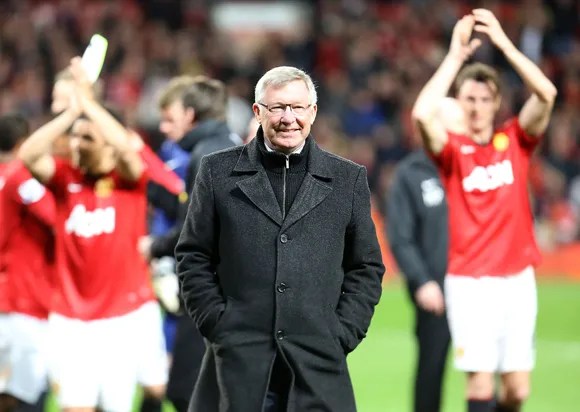
Sir Alex Ferguson is a name synonymous with success in football, particularly in the context of the English Premier League. His tenure as manager of Manchester United, which spanned over 26 years, reshaped not only the club but also the league itself. Ferguson’s impact on the Premier League is profound and multifaceted, encompassing tactical innovation, player development, and an unparalleled commitment to winning. This blog post explores the legacy of Sir Alex Ferguson in the Premier League, examining his methods, achievements, and the indelible mark he left on English football.
A New Era Begins
Ferguson took charge of Manchester United in November 1986, at a time when the club was in need of revitalization. His early years were fraught with challenges, but his unwavering determination and keen tactical mind soon began to bear fruit. By the early 1990s, Ferguson had transformed United into a competitive force, culminating in the club’s first league title in 26 years during the 1992-93 season. This was huge Premier League news as this victory not only broke a long-standing drought but also set the stage for an era of unprecedented success.
Tactical Evolution and Innovation
One of Ferguson’s most significant contributions to the Premier League was his tactical evolution. He was known for his adaptability, often changing formations and strategies to suit the strengths of his squad and the weaknesses of opponents. Ferguson’s approach evolved throughout his career; he transitioned from traditional 4-4-2 formations to more fluid systems that utilized width and pace, particularly with the introduction of wing play and quick transitions.
Ferguson was also a master of in-game management. He had an uncanny ability to read matches and make timely substitutions that often turned the tide in favor of his team. His tactical flexibility was a key factor in his success, allowing Manchester United to dominate various styles of play, from counter-attacking football to possession-based systems.
The Fergie Philosophy: Youth Development
Another hallmark of Ferguson’s management was his commitment to youth development. He famously believed in nurturing homegrown talent, a philosophy that paid off significantly for Manchester United. The famous “Class of ’92,” featuring players like Ryan Giggs, Paul Scholes, David Beckham, and the Neville brothers, became a cornerstone of his success. These players not only contributed to the team’s domestic triumphs but also laid the foundation for future success.
Ferguson’s willingness to trust young players set a precedent in the Premier League, encouraging clubs to invest in their academies. His legacy in this regard is evident today, as many teams now prioritize youth development, often looking to emulate the successful model established at Old Trafford.
Dominance in the Premier League Era
The establishment of the Premier League in 1992 marked a new chapter in English football, and Ferguson was at the forefront of this transformation. Under his stewardship, Manchester United emerged as the dominant force in the league, winning 13 Premier League titles, a record that still stands today. This period of dominance was characterized by a remarkable consistency; United finished in the top three in 20 out of 21 seasons during Ferguson’s tenure.
Ferguson’s teams were known for their attacking flair, resilience, and mental fortitude. The famous “Fergie Time” phenomenon—where United often scored late goals to snatch victory—became emblematic of Ferguson’s winning mentality. Matches against rivals, especially Liverpool and Arsenal, became legendary battles that showcased the fierce competitive spirit Ferguson instilled in his players.
Key Rivalries and Challenges
Ferguson’s reign was not without its challenges. The late 1990s and early 2000s saw fierce competition from teams like Arsenal, managed by Arsène Wenger, and later Chelsea, under José Mourinho. The rivalry with Arsenal was particularly intense, culminating in the memorable 2003-04 season when Arsenal went unbeaten, earning the nickname “The Invincibles.” Ferguson’s response to this challenge was to innovate further, adapting his tactics and squad to regain dominance.
The emergence of Chelsea as a power in the mid-2000s, fueled by Roman Abramovich’s investment, posed a new challenge. Ferguson, however, responded with strategic signings and a renewed focus on tactical flexibility, leading to renewed success, including the 2007-08 season, when United secured both the Premier League and the UEFA Champions League titles.
The Legacy of Sir Alex Ferguson
Ferguson’s retirement in 2013 marked the end of an era not just for Manchester United but for the Premier League as a whole. His legacy is characterized by his extraordinary achievements, including 38 trophies during his time at the club. He is remembered not only for his success but also for his influence on the culture of football in England.
Ferguson’s emphasis on discipline, hard work, and respect set a standard that many aspiring managers and players still strive to achieve. His managerial style and philosophies have inspired countless individuals in the footballing world, from the grassroots to the elite level.
Conclusion: A Lasting Impact
Sir Alex Ferguson’s impact on the Premier League is immeasurable. He transformed Manchester United into a global brand and set a benchmark for success that remains unmatched. His tactical innovations, commitment to youth development, and ability to adapt in the face of challenges have left an indelible mark on English football.
As the Premier League continues to evolve, the principles that Ferguson championed—teamwork, resilience, and an unyielding desire to win—remain relevant. Sir Alex Ferguson is not just a managerial icon; he is a symbol of excellence in football, a legacy that will inspire future generations to come.

 PremierLeagueNow
Leave a reply to The Best Premier League Strikers of All Time: A Countdown of Footballing Legends – PremierLeagueNow Cancel reply