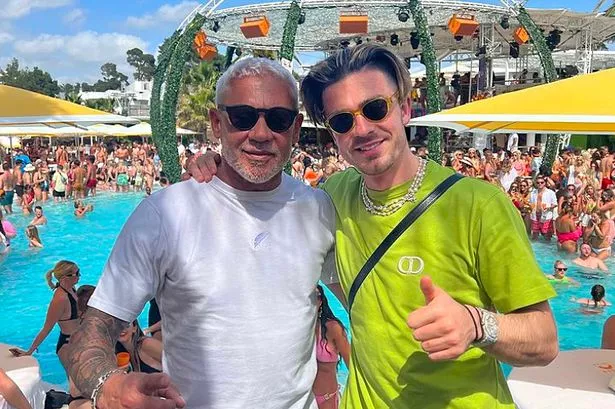
When the final whistle blows on the Premier League season, players trade in boots and shin pads for sunglasses and swimsuits. After nine grueling months of high-intensity football, the off-season offers a rare chance to rest and recharge. But what exactly do Premier League players get up to on holiday? And how has the modern football vacation evolved in an age of constant media attention and performance management?
In this article, we explore how top-flight stars spend their downtime, from luxury getaways to pre-season preparation.
Why Holidays Matter for Players
The Premier League calendar is relentless. With league matches, domestic cups, European competitions, and international duties, many players barely get a break. The off-season — typically 3–6 weeks long, depending on club and international schedules — is crucial for both physical recovery and mental wellbeing.
Modern football demands elite levels of fitness, and the physical strain over a season can lead to fatigue, burnout, or injuries. A proper holiday helps players:
- Recover physically: Rest allows the body to heal microtears, reduce inflammation, and reset after months of constant training.
- Recharge mentally: Stepping away from the pressure of matches, media, and fans gives players valuable headspace.
- Reconnect personally: Time with family and friends is rare during the season, so the break is a chance to be present in their personal lives.
Where Do They Go?
Premier League stars don’t exactly skimp on their getaways. Thanks to their high salaries and endorsement deals, players often jet off to some of the most exclusive destinations in the world.
- Ibiza, Mykonos, and Dubai are recurring hotspots for footballers, known for their mix of luxury, privacy, and nightlife.
- Maldives, Bali, and the Caribbean offer more tranquil escapes — perfect for players looking to truly switch off.
- Some players also opt for city breaks in New York, Tokyo, or Paris, or even return to their home countries to spend time with extended family.
For those in international tournaments like the Euros or World Cup, holidays are delayed — and sometimes cut short — but clubs generally allow additional time off to compensate.
Holidays Aren’t What They Used to Be
Gone are the days when a footballer’s summer holiday meant two weeks of partying and returning to training camp out of shape. Today’s professionals are far more disciplined. Many players travel with personal trainers, chefs, or physios to maintain their physical condition even while away.
Even on vacation, players:
- Continue light training: Morning gym sessions, beach runs, or pool workouts help maintain baseline fitness.
- Watch their diet: Although there’s room for indulgence, nutrition is still a focus.
- Stay in touch with clubs: Players often receive off-season fitness programs tailored by club staff, and GPS trackers or wearables help monitor progress remotely.
That said, balance is key. Clubs encourage players to enjoy their time off while staying mindful of their return to pre-season.
Social Media, Privacy, and Image
In the era of Instagram and TikTok, players’ holidays are often shared with millions of followers. From yacht selfies to workout videos, fans get a glimpse into their favorite stars’ lives off the pitch. These posts boost personal brands and help maintain visibility during the off-season.
However, constant exposure has its downsides. Every drink, party, or questionable decision can be scrutinized. Players must be cautious — one controversial video can spark media backlash or even fines from clubs.
As a result, many players choose private villas or resorts, where they can relax without prying eyes. Some go off-grid entirely, opting for digital detoxes.
Luxury Meets Recovery: Wellness Holidays
A growing trend among elite athletes is the wellness holiday — a mix of luxury retreat and recovery clinic. These trips focus on rejuvenation through:
- Massage therapy and physiotherapy
- Cryotherapy, hydrotherapy, and sauna sessions
- Mindfulness and meditation
- Clean eating and tailored sleep routines
Wellness resorts in Switzerland, Austria, and the Middle East have become increasingly popular among footballers seeking both luxury and performance benefits.
Bonding Trips and Team Retreats
While most off-season holidays are private, some players organize group getaways with teammates or fellow professionals. These trips strengthen off-field bonds and are often viewed as an extension of team camaraderie.
In some cases, clubs even arrange short team retreats before pre-season begins — often in warm climates — to help players ease back into training and build chemistry ahead of the new season.
A Short Window Before the Grind Begins
The off-season is notoriously short. For many players, the holiday lasts only 2–3 weeks before individualized training resumes. Pre-season usually starts in July, with friendlies and tours scheduled weeks before the league kicks off in August.
By the time players return to training grounds, clubs expect them to be close to match-fit. Arriving unprepared isn’t just frowned upon — it can affect a player’s starting position, contract talks, or even lead to disciplinary action.
Conclusion: Holidays with Purpose
For Premier League players, holidays are no longer just about escaping football — they’re about balancing relaxation with responsibility. In an era of 24/7 scrutiny and hyper-professionalism, players have adapted their off-season habits to maintain performance, protect their image, and preserve long-term health.
While the beaches, yachts, and luxury resorts still feature prominently, the modern footballer’s holiday is as much about preparation as it is about play.
Because when the new season rolls around, the margins for success are razor-thin — and every day off counts.
Leave a Reply